

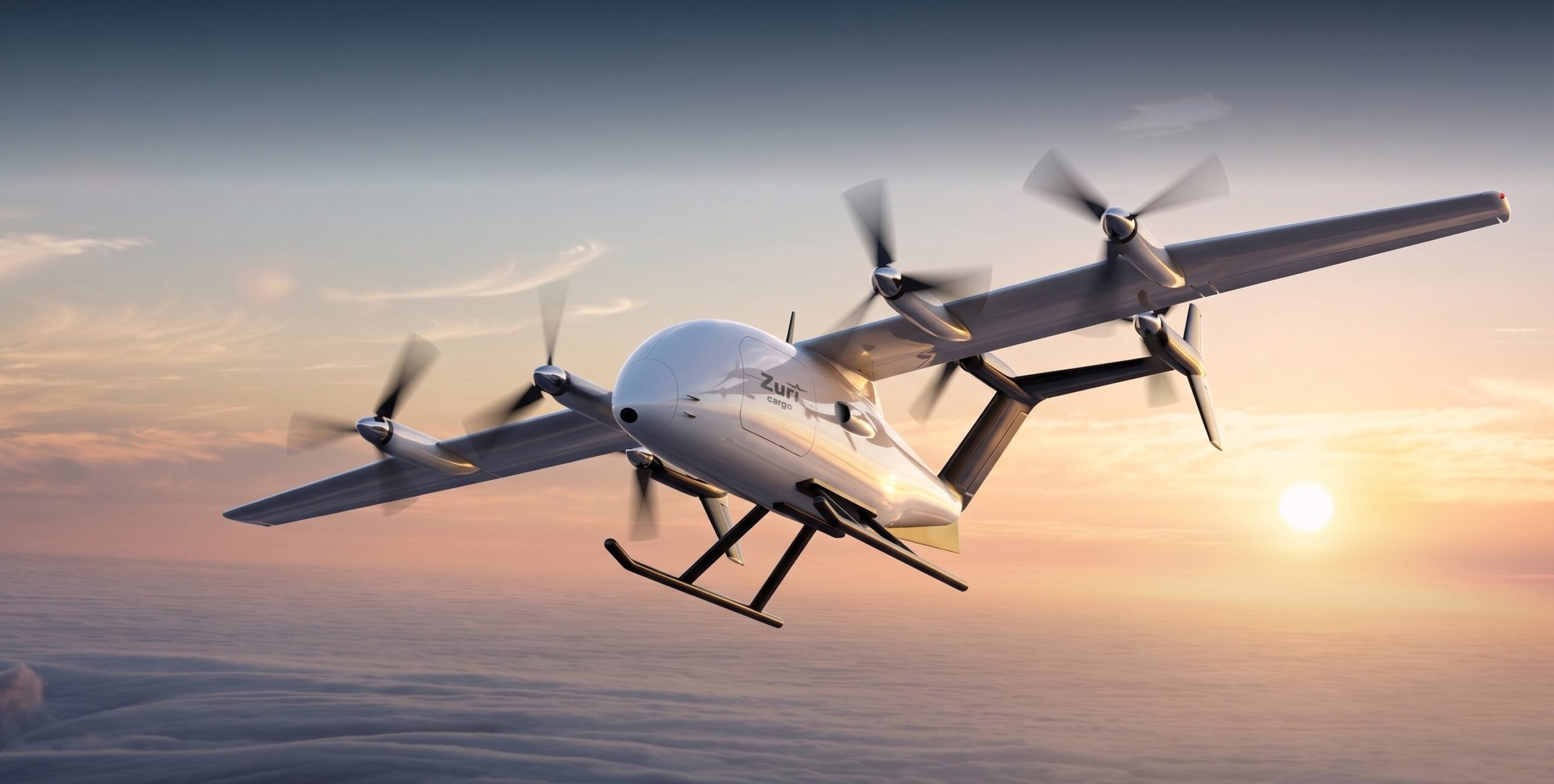
The Czech company is applying years of hybrid-electric VTOL development to an uncrewed cargo aircraft designed to combine meaningful payload, long range and 220-km/h (~136.7 mph) cruise speed for civil and defense logistics.
“We spent nine years and fifteen aircraft teaching ourselves what this architecture can do. The uncrewed cargo VTOL is the first one we are building for someone else to fly. This round funds the demonstrator and its full flight test
campaign.” – Michal Illich, founder and CEO of Zuri
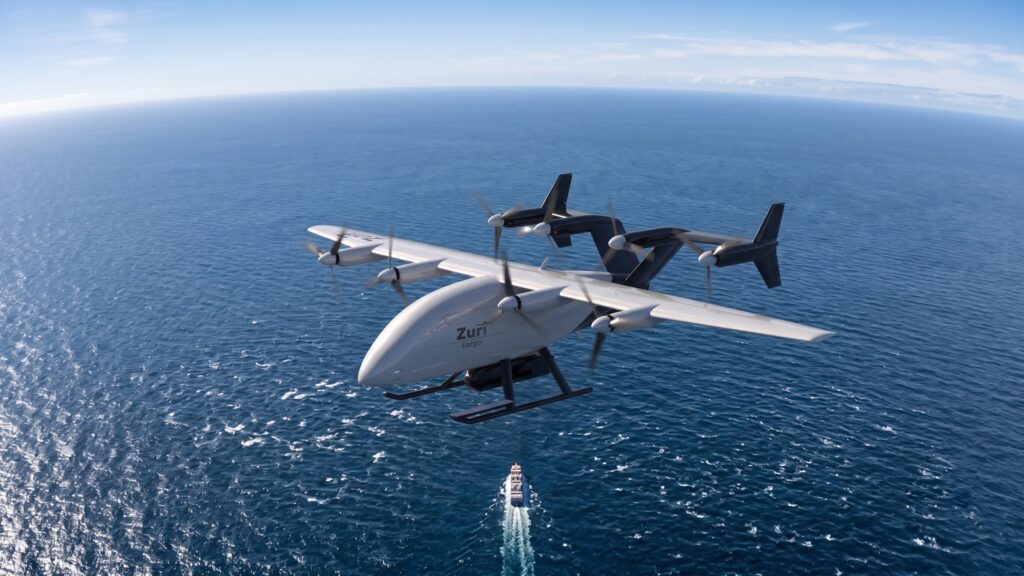
For all the attention surrounding passenger eVTOL aircraft, one of the most immediate opportunities for advanced aviation may not involve carrying passengers at all.
Moving cargo to offshore platforms, islands, remote locations and areas where roads or bridges have been damaged presents a very different set of requirements. Helicopters can provide the necessary flexibility, but operating them with a crew can add cost and risk. Ground transportation can be slow or impossible when infrastructure is disrupted.
That leaves an emerging opportunity for uncrewed aircraft capable of carrying meaningful amounts of cargo over distances far beyond those typically associated with last-mile drone delivery.
Zuri, a Czech advanced air mobility aircraft company based in Prague, believes its hybrid-electric VTOL architecture may be well suited to that market.
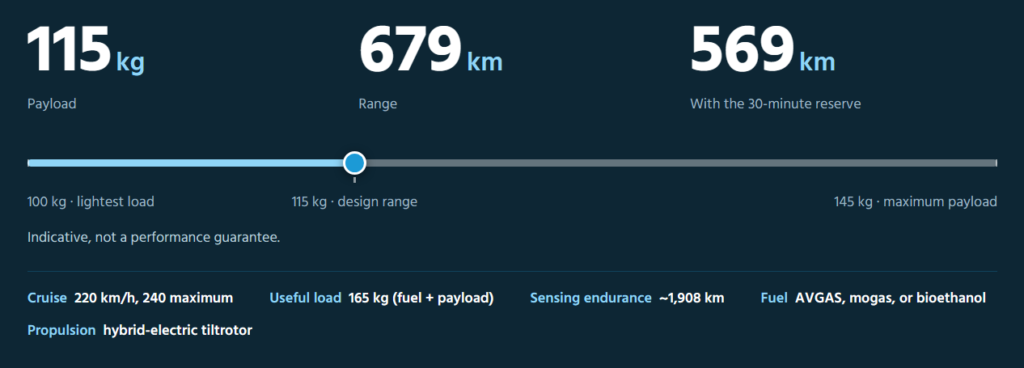
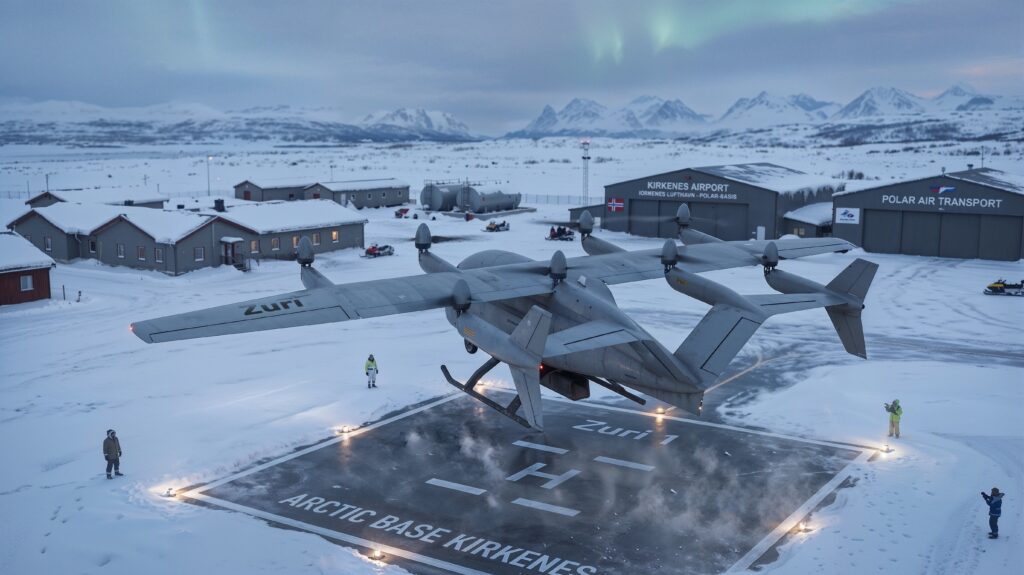
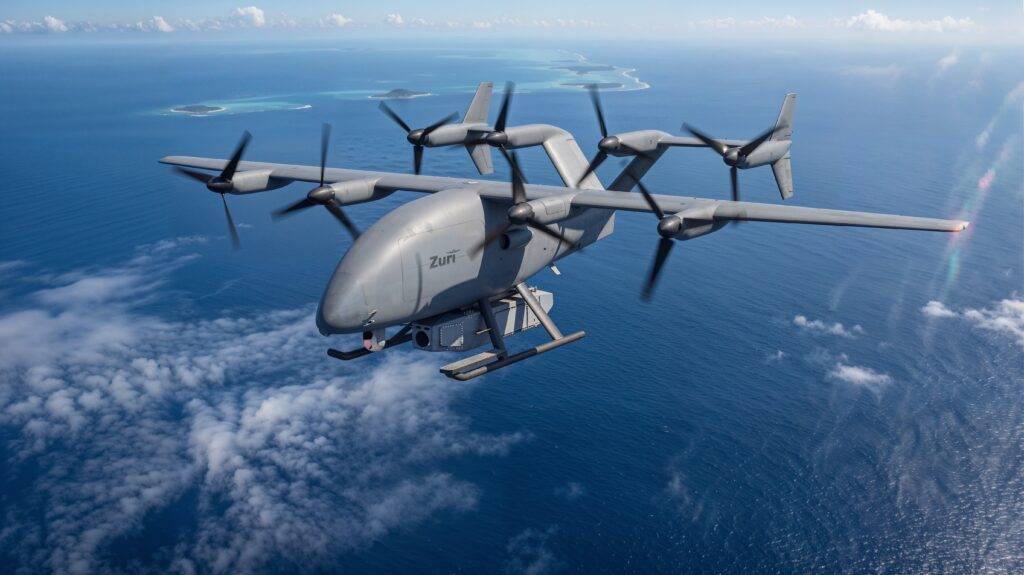
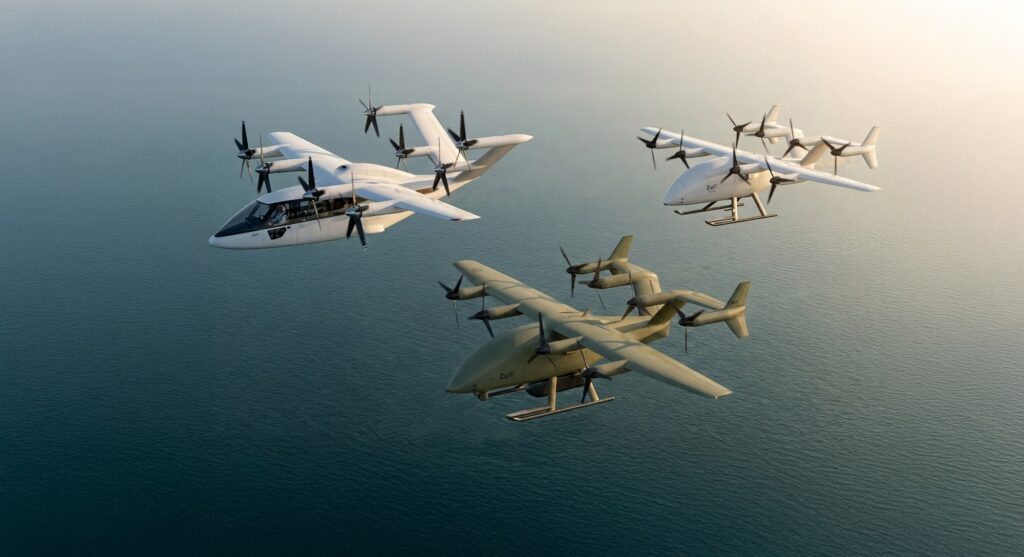
The company has now unveiled its first product: an uncrewed cargo VTOL designed to carry a 165-kg (~363.76 lb) useful load, defined by Zuri as payload plus fuel, over a 679-km (~429.1 mile) design range. With a full 30-minute reserve, the stated range is 569 km (353.56 miles). The aircraft is designed to cruise at 220 km/h (~136.7 mph) and can operate from a pad, deck or open ground rather than requiring a conventional runway.
The numbers place Zuri in an increasingly interesting part of the uncrewed aviation market, not necessarily at the extreme end of payload or range, but potentially at a very useful and practical intersection between the two.
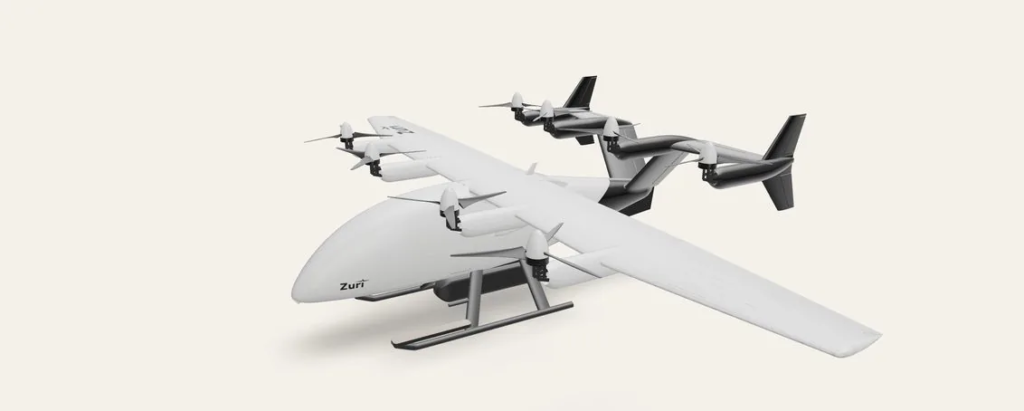
Zuri’s Uncrewed cargo VTOL
- Cruise: 220 km/h (~136.7 mph), 240 km/h (~140 mph) maximum
- Useful load: 165 kg ~363.76 lb (fuel + payload)
- Target Range: 679 km (~429.1 miles) with 115 kg (~253.5 lb) payload
- Sensing endurance: ~1,908 km (~1185.58 miles)
- Fuel: AVGAS, mogas, or bioethanol
- Propulsion: hybrid-electric tiltrotor

Zuri
- Founded in 2017 by CEO Michal Illich
- Headquartered in Prague, Czechia 🇨🇿
- Manufacturer of several planned hybrid VTOL aircraft
- Hybrid-electric propulsion architecture
- Use cases:
- Tourism and regional point-to-point air travel
- Public safety, humanitarian and government-operated SAR & MEDEVAC missions
- Cargo/logistics applications
- Designed to support SAF blends
- Manufacturing facility:
- Preparing for AS9100
- Built in the EU on a sovereign European supply base
- ITAR-free
- Aircraft designed for NATO interoperability
Unmanned with a Plan: From Hybrid eVTOL development to Uncrewed Cargo
Zuri’s cargo aircraft is not the product of a company suddenly entering the drone market.
Founded in Prague in 2017, Zuri has spent years developing hybrid-electric VTOL technology. The company says it has flown more than 15 aircraft and completed hundreds of test flights since 2018, with full-scale hover achieved in 2021.
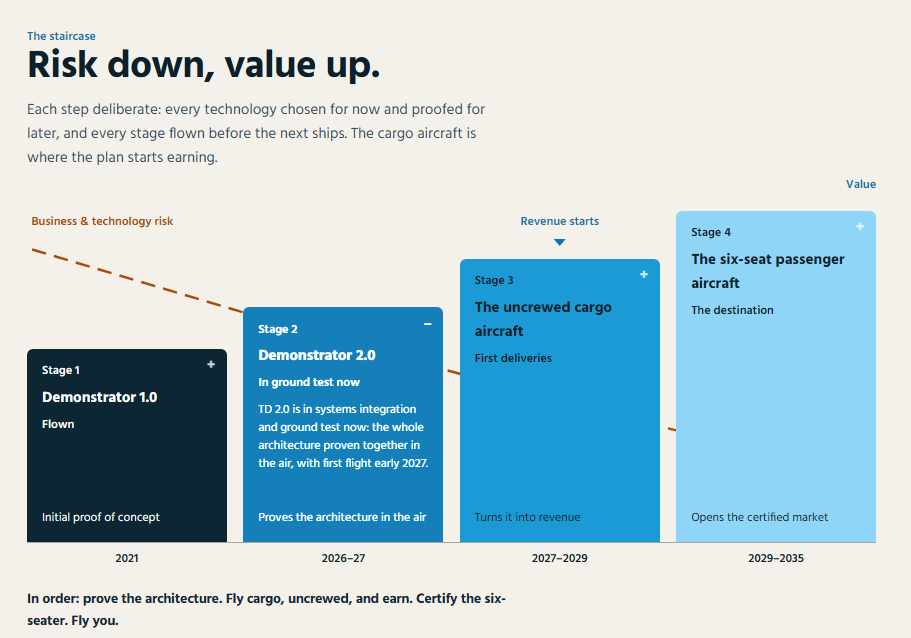
That experience is now being consolidated into Technology Demonstrator 2.0, or TD 2.0.
The full-scale aircraft is currently undergoing systems integration and ground testing in Prague, with flight testing planned for early 2027. Zuri says six of the program’s eight graded risks have already been retired, leaving integration and flight testing as the next major steps.
That progression is important because the new cargo aircraft is leveraging an architecture that Zuri has already been developing and testing rather than starting from a clean sheet.
The company describes the uncrewed cargo aircraft as the first aircraft it is building specifically for customers/operators to fly. The current funding round (Series A) is intended to finance TD 2.0 and its full flight-test campaign while moving the cargo aircraft towards its first airframe. This first tranche expected to total €6M. €1.1M is backed existing investors, bringing to current total Zuri has raised so far to €7.6M since 2018. When compared with other peers in the industry that have spent €300M or more at this stage of milestones, Zuri has indicated it knows how to make good use of capital.
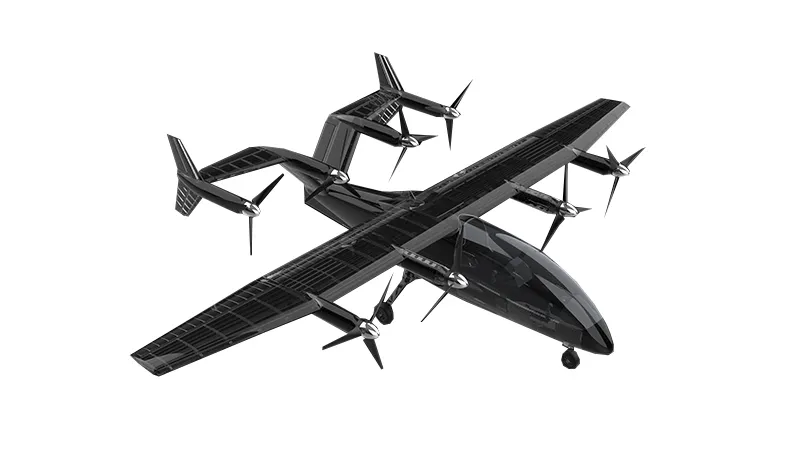
- Technology Demonstrator 2.0 (TD 2.0)
- MTOW: 690 kg (~1521 lbs)
- Modes of Flight: CTOL and VTOL
- Cruise Speed (Vc): 200 km/h (~124 mph)
- Target range: 200-250 km (~124-155 miles) (development objective)
- Material: All-metal construction
- Objective:
- Test hybrid-electric propulsion
- Flight control laws
- Transition performance
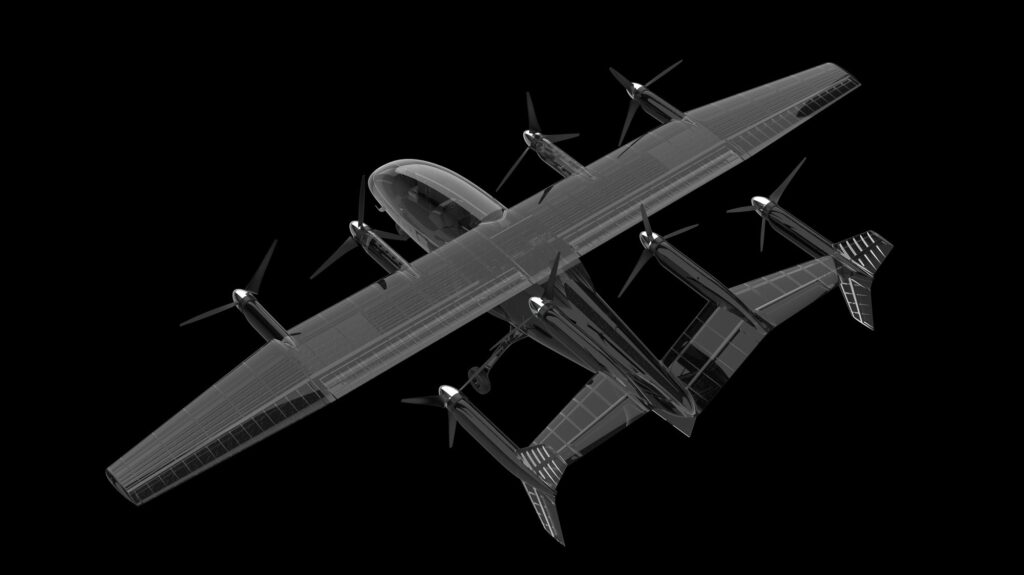
The practical case for going uncrewed
The development of uncrewed products is becoming an increasingly practical extension of advanced aviation programs.
Crewed eVTOL certification remains a complex and demanding process, even as regulators work to develop frameworks capable of accommodating the unique characteristics of a new generation of aircraft. That reality creates a practical motivation for companies to apply the technology, engineering knowledge and flight-test experience developed through their crewed programs to uncrewed and dual-use products.
This should not be viewed simply as a way around certification. Uncrewed aviation represents a market of its own, with missions that can be difficult, expensive or risky to perform with conventional aircraft and crews.
Zuri’s proposed missions illustrate that distinction.
The company identifies scheduled resupply of offshore platforms and islands, delivery of replacement parts to remote industrial sites, disaster relief where roads and bridges have been disrupted, and resupply to locations where sending people would create unnecessary risk.
For these missions, carrying a passenger or pilot is not necessarily an advantage. In fact, eliminating the person onboard can be precisely what makes the mission economically and operationally attractive.
Zuri is therefore applying its hybrid-VTOL experience to an unmanned dual-use market that encompasses both civil logistics and defense applications.
Zuri’s Sweet Spot: Finding the middle ground
Zuri is not alone in pursuing large uncrewed cargo aircraft, and its aircraft is not designed to win every specification race.
Some aircraft in development focus on substantially greater payloads. Others prioritize very long range. Smaller delivery drones, meanwhile, are optimized for frequent, short-distance missions carrying comparatively small packages.
Zuri’s proposition is different.
Its aircraft combines 165 kg of useful load, a 679-km design range and a 220-km/h cruise speed, while retaining VTOL capability and a hybrid-electric powertrain.
That combination may represent a particularly useful sweet spot for the types of missions Zuri is targeting.
A 165-kg useful load is considerably beyond the payload class of typical last-mile delivery drones, while a range measured in hundreds of kilometers opens missions that are impractical for many smaller UAVs.
At the same time, the aircraft does not need a runway. Zuri says it can land on a pad, deck or open ground, giving it access to offshore installations, remote locations and areas where conventional aviation infrastructure may not exist.
The 220-km/h cruise speed is another important part of that equation. Range alone does not determine the usefulness of a logistics aircraft. The faster an aircraft can cover a route, the more useful it can become for time-sensitive deliveries, particularly when the alternative is a road convoy or a vessel.
Zuri gives one example of the difference: a 380-km resupply mission between Baltic bases that could take a road convoy most of a day could instead be completed by the aircraft in a morning.
A Sweet Deal Makes Cents!
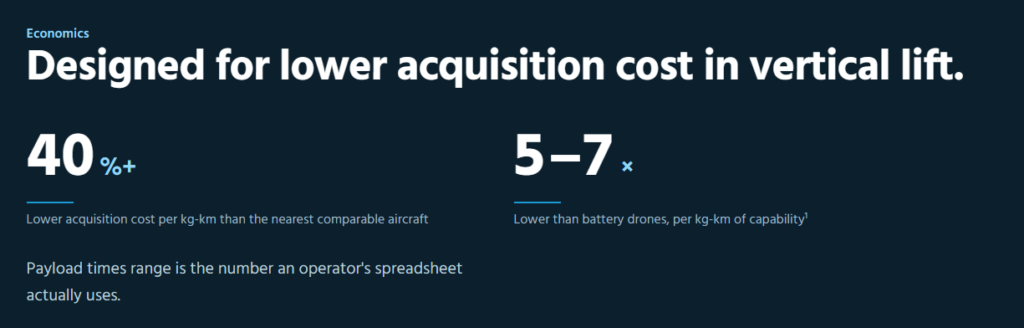
The economic case for uncrewed VTOL cargo aircraft is also reflected in their potential acquisition cost. Zuri estimates that its uncrewed cargo VTOL could offer more than a 40% lower acquisition cost per kilogram-kilometer than comparable hybrid VTOL aircraft, with an estimated figure of $10.16 per kg-km. Zuri also estimates that its aircraft could offer 5–7 times lower acquisition cost per kg-km than battery-electric drones, based on its internal engineering analysis. While these figures are estimates based on planned pricing and comparative calculations rather than demonstrated operating costs, they illustrate the potential economic “sweet spot” advantage of a large, long-range uncrewed VTOL designed to carry useful payloads over hundreds of kilometers
Why hybrid-electric?
The aircraft’s range is closely connected to Zuri’s decision to use a hybrid-electric architecture rather than relying solely on batteries.
The aircraft uses a generator to produce electricity in flight, while a battery provides electrical energy when needed. Zuri says the generator can run on AVGAS, automotive gasoline or bioethanol, while the aircraft’s wing provides lift during cruise rather than requiring the rotors to support the aircraft continuously.
This allows the company to separate the advantages of electric propulsion from the energy-density limitations of today’s aviation batteries.
Zuri claims its powertrain delivers approximately 1,500 Wh/kg at the system level, compared with what it describes as roughly 230–280 Wh/kg for the best aviation batteries. The company says this architecture allows the aircraft to maintain a substantial range without carrying the weight penalty of a battery large enough to provide the same energy.
The system also incorporates redundancy. Zuri says distributed propulsion and redundant fly-by-wire controls are designed to maintain controllability following the loss of a rotor, while the battery can provide enough energy to land if the generator fails.
One Aircraft, Multiple Missions: Dual Use Covering both Civil and Defense Needs
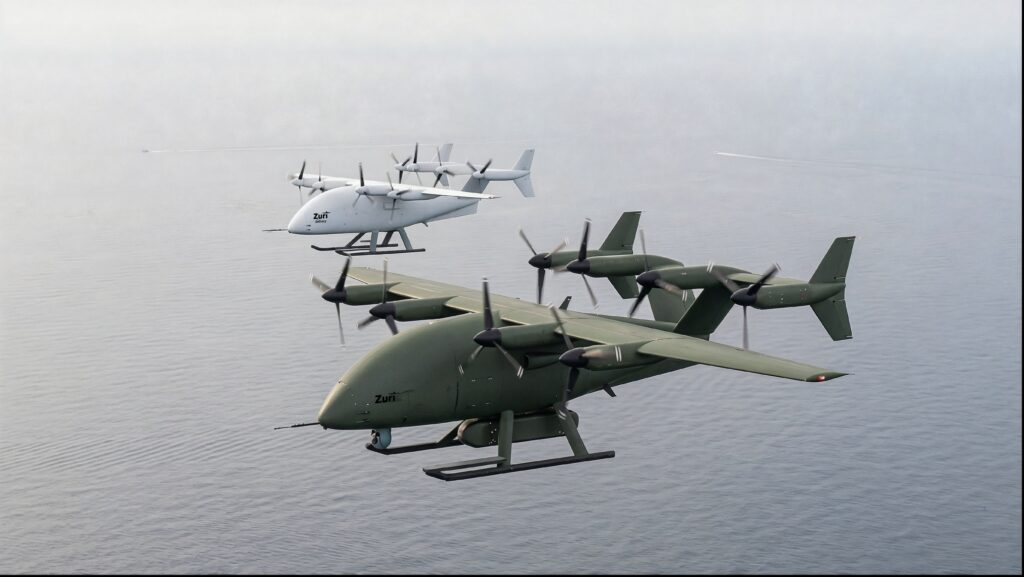
The cargo aircraft is built around a sealed cargo bay, while a lower pod can accommodate sensors, communications equipment or additional cargo.
That modularity could broaden the aircraft’s usefulness beyond conventional freight.
Zuri says that in a sensing configuration, where additional tanks and sensors are carried, the aircraft could reach approximately 1,908 km for missions such as coastal surveillance, surveying and scientific work.
That creates a potentially important dual-use characteristic: the same underlying aircraft architecture could support logistics, defense, surveillance and scientific missions without requiring a completely different airframe.
Every flight is remotely piloted, with one operator in command from the ground and automation handling the flying.
Energy Security: From Offshore Logistics to National Resilience
Energy security is becoming increasingly difficult to separate from national security. For countries that depend on offshore oil and gas, offshore wind and subsea electricity infrastructure, keeping those assets operating is not simply an issue for individual energy companies. It is increasingly a matter of national resilience.
That is particularly apparent across three strategically important regions: the Gulf of Mexico, the North Sea and the Baltic Sea. While the energy mix is different in each region, they share a common challenge. Vast amounts of critical infrastructure are located offshore, sometimes hundreds of miles from the nearest port or airport, and maintaining that infrastructure often depends on getting people, equipment and replacement parts to the right location quickly.
This is an area where the Zuri Cargo VTOL could find an interesting commercial application.
The Gulf of Mexico
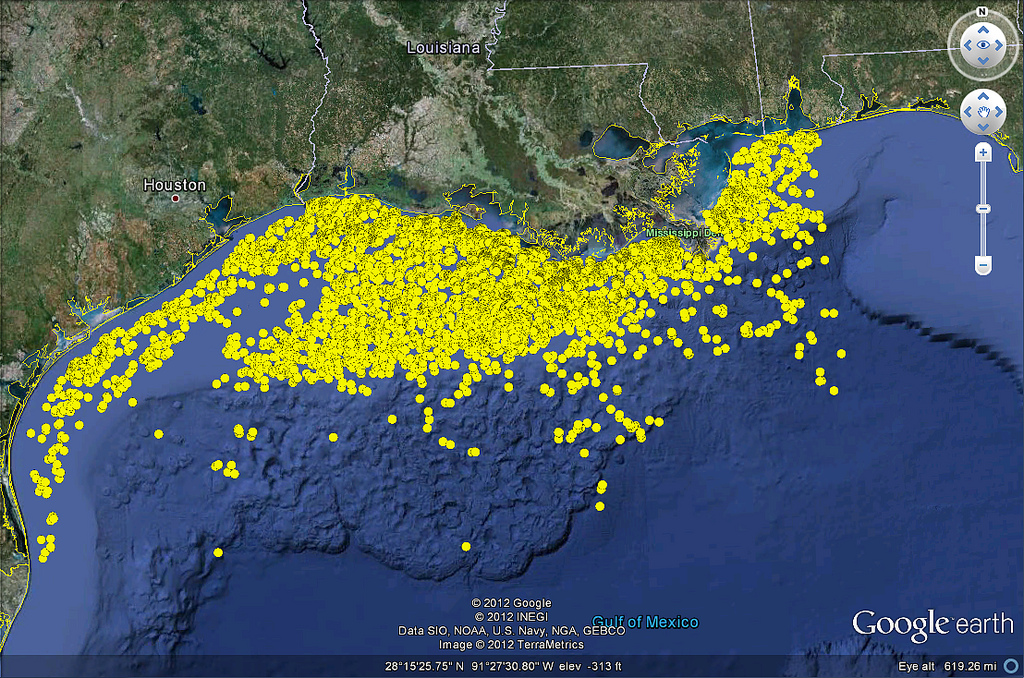
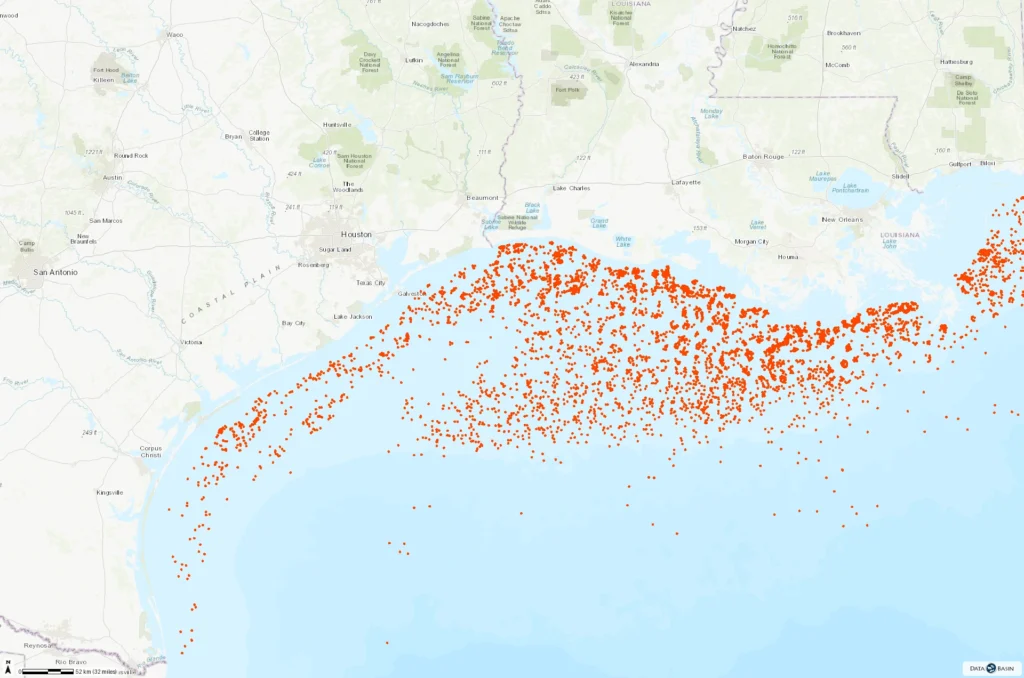
The Gulf of Mexico is one of the world’s most important offshore energy regions, with extensive oil and natural gas production supported by offshore platforms, pipelines, vessels and onshore processing facilities. For operators, transportation is a constant part of the business. Equipment and personnel have to move between shore bases and offshore installations, while unexpected failures can create an entirely different logistical problem.
A component that costs relatively little may nevertheless be extremely valuable if its absence keeps an offshore installation from operating. The same can be true of a specialized tool needed by a maintenance crew. Sending a supply vessel can take considerable time, while using a crewed helicopter for every small shipment comes with the expense of the aircraft, crew and associated operations.
This is where an unmanned cargo aircraft becomes promiising. Rather than replacing offshore helicopters, the Zuri Cargo VTOL could occupy a different part of the logistics chain, moving smaller and time-sensitive loads that do not justify a larger crewed aircraft or vessel.
The same capability could also be used for inspection and monitoring. Depending on the sensors and equipment carried, an unmanned VTOL could provide operators with another way to inspect offshore facilities, monitor infrastructure or respond to an emerging problem without immediately putting a crew in the aircraft.
The value is therefore not simply the ability to carry cargo. It is the ability to move something urgently without having to move an entire crewed aviation operation with it.
The North Sea
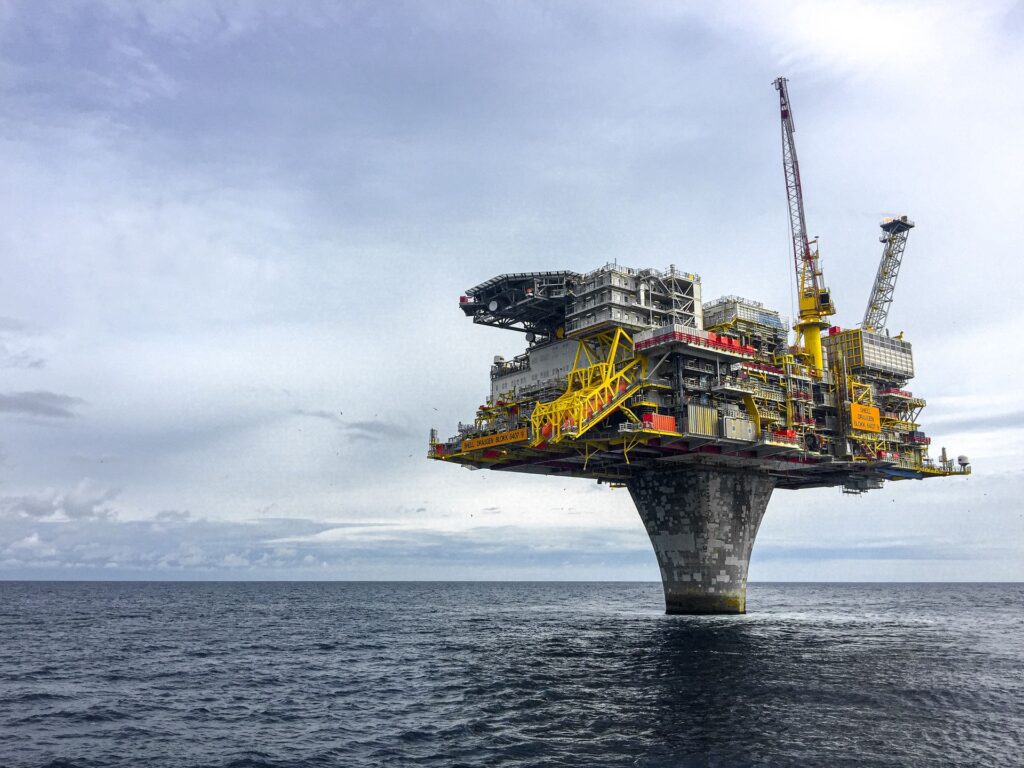
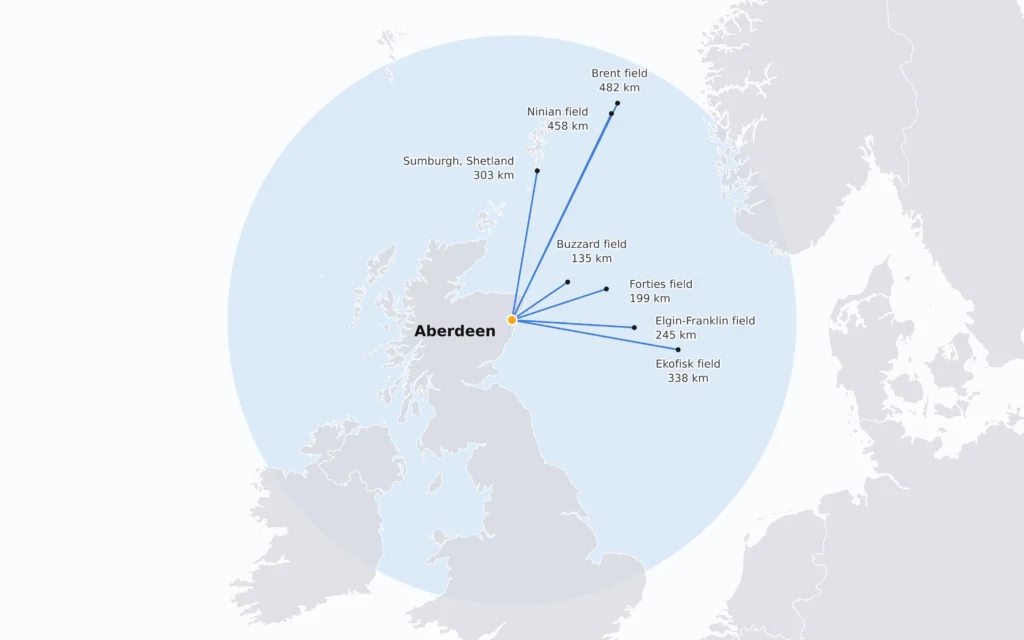
The North Sea presents a similar opportunity, although its strategic importance is becoming increasingly tied to the growth of offshore wind.
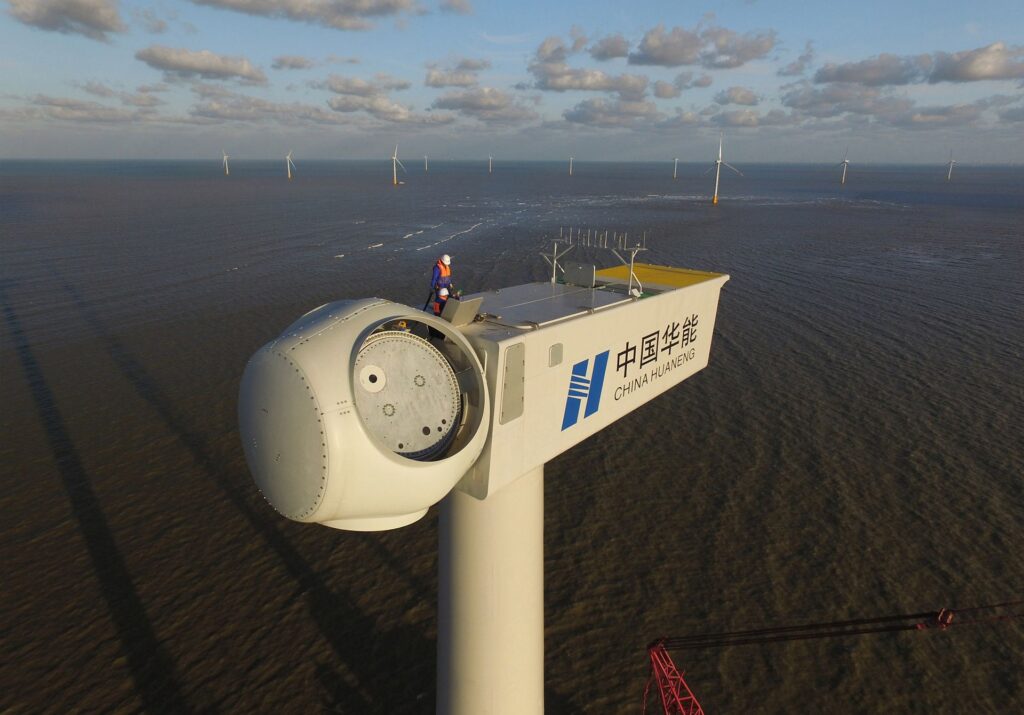
Oil and gas platforms continue to form an important part of the region’s energy infrastructure, while thousands of wind turbines and associated substations and cables are being developed to supply electricity to European markets. These installations require continuous inspection and maintenance, and their distance from shore can make logistics expensive.
For an offshore wind operator, the difference between having a replacement component available immediately and waiting for the next suitable vessel or helicopter can translate directly into lost generation.
A Zuri Cargo VTOL could potentially serve as a rapid logistics link between coastal facilities and offshore installations. A relatively small but urgently needed component could be transported directly to a wind farm rather than waiting for a vessel already scheduled to make the journey. Inspection equipment, sensors and other specialized tools could be moved in the same way.
This becomes particularly interesting as offshore wind farms become larger and are located farther from shore. The more dispersed the infrastructure becomes, the more valuable rapid transportation can become.
There is also a security dimension. NATO has increasingly focused on the protection of critical undersea infrastructure, including energy pipelines and electricity cables. The Alliance has identified the need for greater monitoring, information sharing and resilience as European energy infrastructure becomes more exposed to hybrid threats and other forms of disruption.
An unmanned aircraft cannot protect a subsea cable by itself, but it can become another tool in the larger monitoring network surrounding critical infrastructure. Combined with vessels, satellites, fixed sensors and other surveillance systems, unmanned aircraft could provide additional situational awareness over large areas.
The Baltic States and Poland
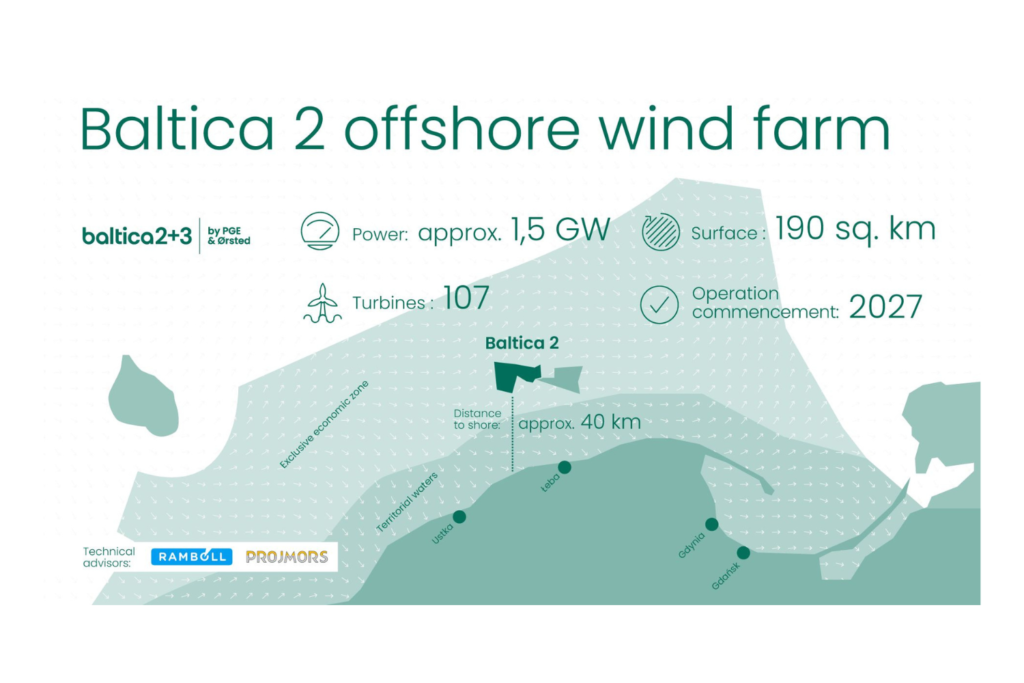
The Baltic Sea provides an even clearer example of the connection between energy and national security.
Estonia, Latvia and Lithuania completed their synchronization with the continental European electricity grid in February 2025, ending their connection to the Russian and Belarusian BRELL system. The change was an important step in reducing the Baltic states’ dependence on the former Soviet electricity network and strengthening their integration with the European energy system.
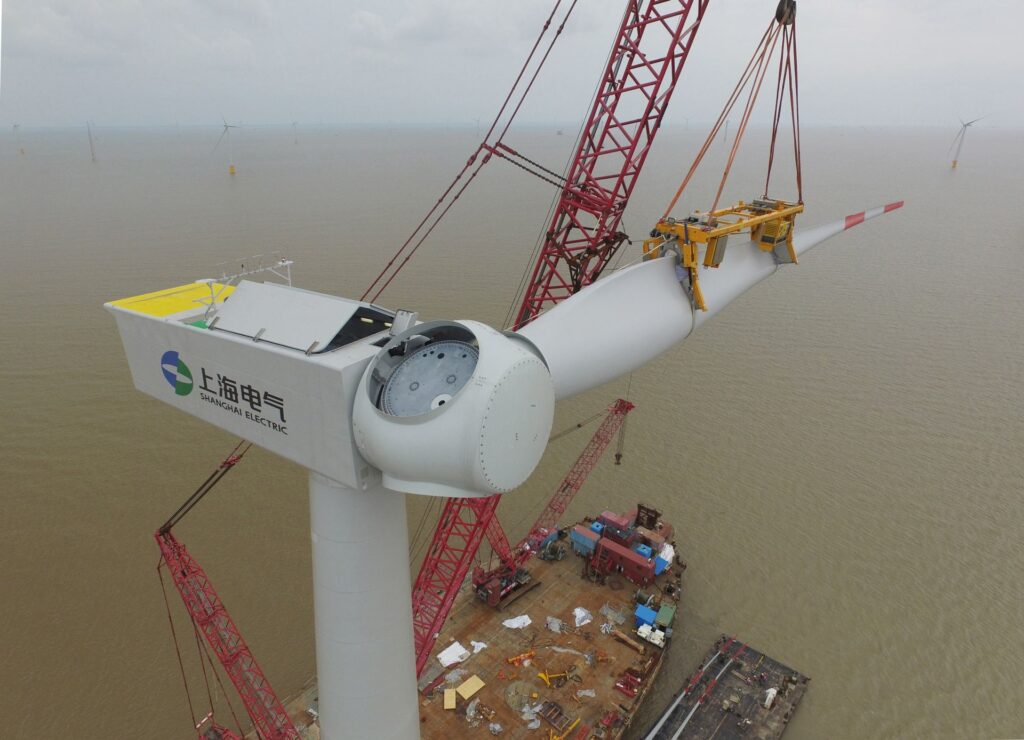
At the same time, Poland is developing a major offshore wind industry in the Baltic. Projects such as Baltica 2 and Baltic Power are expected to become significant sources of electricity for the country. Baltic 2 is set to be the European Union’s largest offshore wind farm. In January, 2025 a €400 million loan was granted for design and construction of Baltica 2 by the The European Investment Bank (EIB), in an agreement between the EIB and Polska Grupa Energetyczna (PGE) which is Poland’s largest energy utility. The Polish government has described offshore wind as an important component of Poland’s energy security and energy independence.
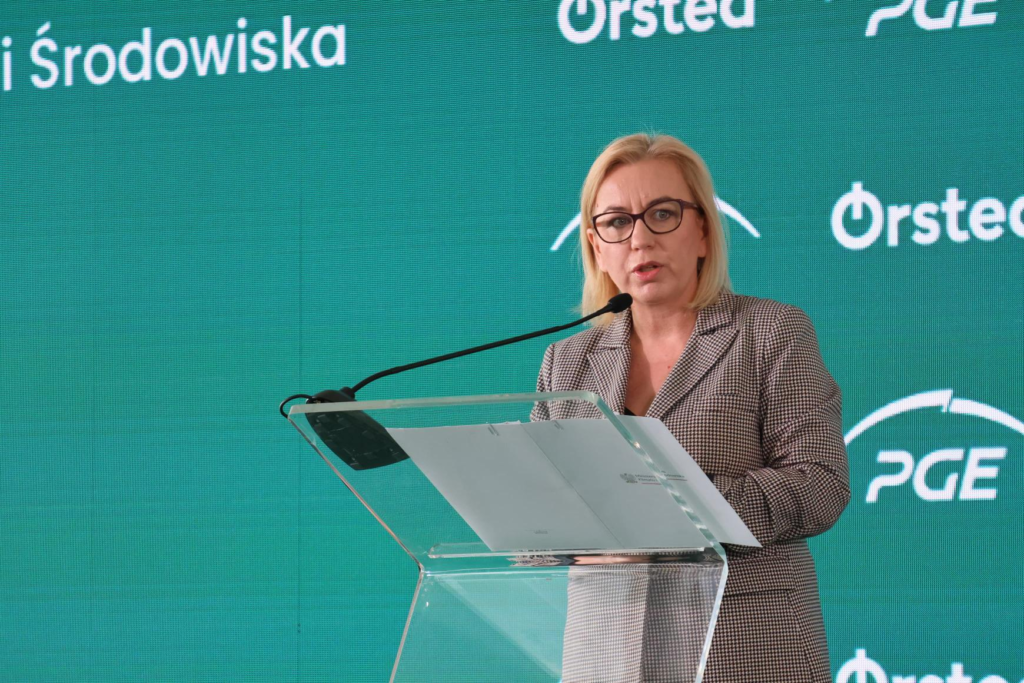
“The start of foundation installation at the Baltica 2 offshore wind farm marks another key and strategic stage, during which we will be able to see, day by day and week by week, the changes actually taking place right before our eyes. These are no longer plans, discussions or dreams, but a reality that is moving in the only right direction. Offshore wind energy is not only the foundations of Poland’s new energy mix – it is the cornerstone of the security of Poland’s energy sector and our sovereignty. Today, utilising domestic resources in Poland’s energy sector is both our core responsibility and a challenge. We are living in a time when one of the key objectives should be to reduce our dependence on imported fossil fuels, for environmental, climate and economic reasons, as well as for security purposes.” – Paulina Hennig-Kloska, Minister for Climate and the Environment (11th of May, 2026)
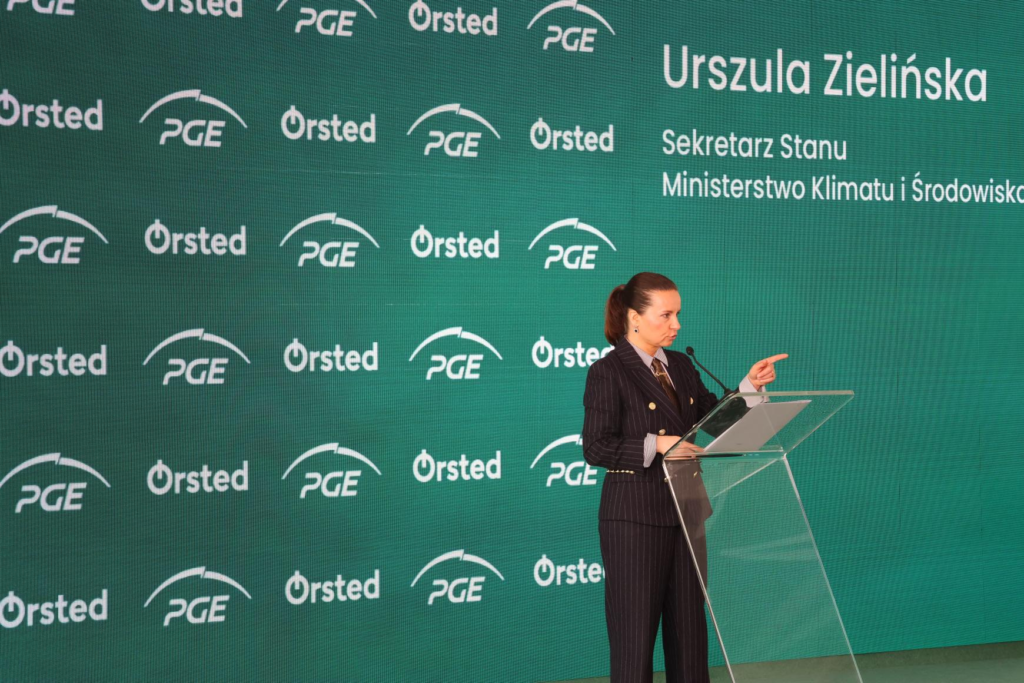
“The market on the Polish Baltic coast is currently one of the most attractive and stable in Europe for investment in renewable energy. Together with the Ministry of Energy, we are just finalising the National Energy and Climate Plan up to 2040, because the Polish Baltic Sea deserves at least 18 GW of new, clean installed offshore energy capacity by this date. We are not stopping there – we are speeding up permits, simplifying administration and working on legislation that will shorten investment and permitting times. In areas of accelerated renewable energy development, our target is a maximum of two years for all administrative decisions on offshore wind projects and a maximum of one year for onshore projects. This will be one of the most attractive investment markets in Europe.” – Urszula Zielińska, Polish Deputy Minister for Climate and the Environment (11th of May, 2026)
That creates an infrastructure network that will need to be maintained and protected for decades.
“Baltica 2 is currently the largest investment project being delivered by the PGE Group and one of the most important energy transition projects in Poland. Each stage completed on schedule confirms how crucial the consistent and comprehensive preparation of this undertaking is. Alongside the offshore work, we are intensively developing the onshore infrastructure, including the facilities required to transmit power from the wind farm to the National Power System, as well as the operations and maintenance base. These are key elements of the overall project that will ensure the efficient and safe operation of the offshore wind farm for decades to come.” – Patrycja Kunc-Rozbrój, Executive Vice President of the Management Board of PGE Baltica
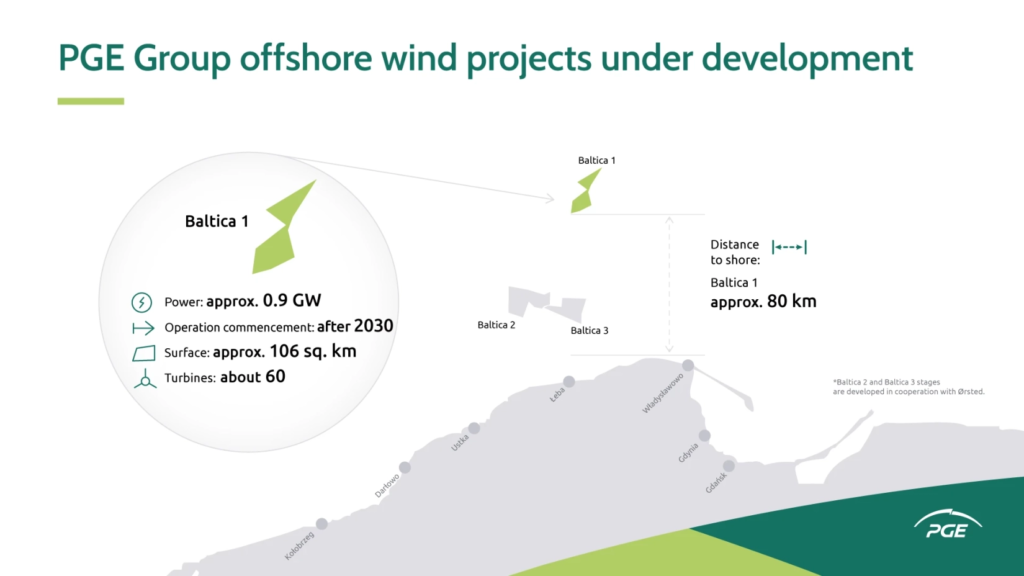
The distances involved in the Baltic are not necessarily the greatest challenge. Rather, it is the combination of dispersed infrastructure, harsh marine conditions and the strategic importance of the assets. A failure at an offshore wind farm is an operational problem for the developer, but repeated failures or disruptions across critical infrastructure can become an issue for the wider energy system.
This is another area where the Zuri Cargo VTOL could have a role. An unmanned aircraft could provide rapid transportation of maintenance equipment and replacement components, while also supporting inspection and emergency-response operations.
For Poland and the Baltic states, there is another potential advantage. A commercially operated fleet of unmanned hybrid cargo aircraft supporting offshore energy could provide infrastructure and aviation capacity that already exists before an emergency occurs. In a major incident, those aircraft could potentially become an additional resource for government agencies and emergency organizations, subject of course to the necessary regulatory arrangements.
Commercial Aircraft With Strategic Value
This is where the distinction between a commercial aircraft and a defense aircraft becomes important.
The Zuri Cargo VTOL does not need to become a military aircraft to contribute to national security. Its value could come from being a commercial platform that supports critical infrastructure during normal operations and provides additional capacity during emergencies.
During normal conditions, the aircraft could be transporting maintenance equipment to offshore oil and gas installations or wind farms. It could be supporting inspections, moving urgent components or carrying other time-sensitive cargo.
After a major storm, the same aircraft could be used for damage assessment and emergency logistics. If an infrastructure problem occurs, it could provide another means of moving equipment to the affected location. If a security incident disrupts an important energy asset, unmanned aircraft could potentially contribute to monitoring and situational awareness.
That dual-use capability could be particularly valuable in regions where governments and energy companies are already spending heavily to improve infrastructure resilience.
There is also an economic argument. Offshore operators already pay significant amounts for helicopters, vessels and other specialized transportation. The opportunity for an unmanned cargo aircraft is not necessarily to replace those assets completely. It may be to handle the missions that fall between them: too urgent for the next scheduled vessel, too small to justify a helicopter, but too important to wait.
That could become an important niche.
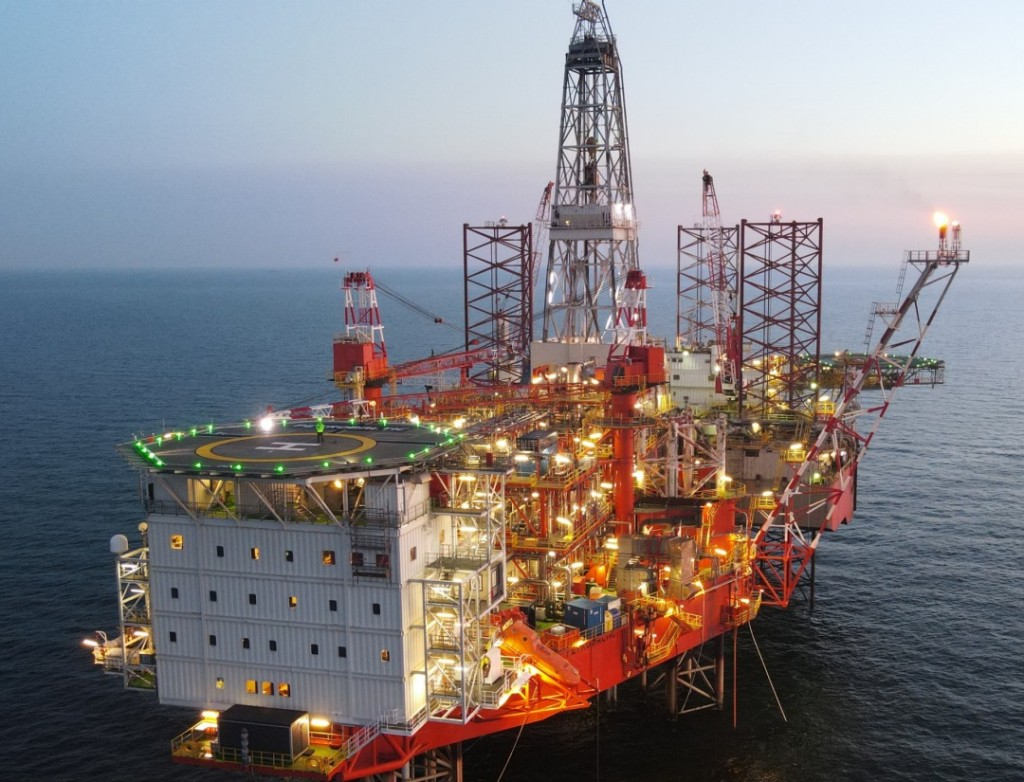
Also being on-site, Zuri unmanned aircraft can play a vital role in surveillance for anomalies or potential sabotage of windfarms and oil rigs, as well as damage assessment in real-time. Sean Pribyl of the Center for Maritime Strategy, illustrated the potential threats to windfarms in the Baltic:
“Beyond subsea infrastructure, Baltic nations face sabotage threats to ports, energy facilities, transportation networks, and military installations. The proliferation of offshore wind farms, while essential for the energy transition, introduces new vulnerabilities—these installations are difficult to protect, represent concentrated investments, and could be targeted to disrupt power generation or undermine confidence in renewable energy development. Whether offshore wind farms ultimately constitute a threat to military operations, owing to radar interference and navigational constraints, or an opportunity for distributed energy resilience, requires careful analysis and integrated planning between defense and energy authorities.”
Source: Sean Pribyl, “Securing the Baltic: The Strategic Imperative for a Comprehensive Maritime Security Strategy,” Center for Maritime Strategy, August 11, 2026.
The Gulf of Mexico, North Sea and Baltic Sea are very different energy markets, but the underlying problem is similar. Critical infrastructure is increasingly distributed across large areas of water, while the consequences of downtime can extend far beyond the individual facility.
For the Zuri Cargo VTOL, that creates an opportunity to become more than a cargo aircraft. If the aircraft can reliably move critical equipment, support monitoring and reach locations that are difficult or expensive to access by conventional means, its value could ultimately be measured not only by what it carries, but by the downtime it helps prevent.
In an increasingly electrified and interconnected energy system, that capability could have implications well beyond the balance sheet of an individual operator. Keeping energy infrastructure operating is itself becoming a component of national security.
Medical Might: The Power of Hybrid VTOL for Saving Lives
Medical Logistics and the Economics of Organ Transportation
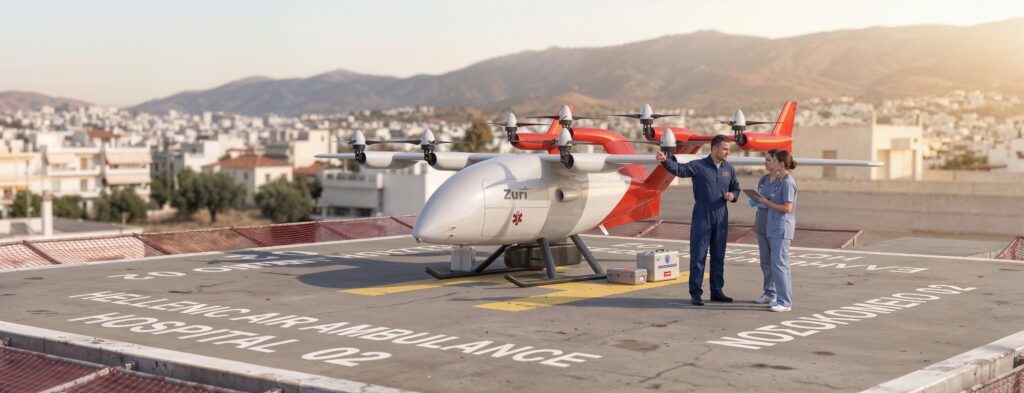
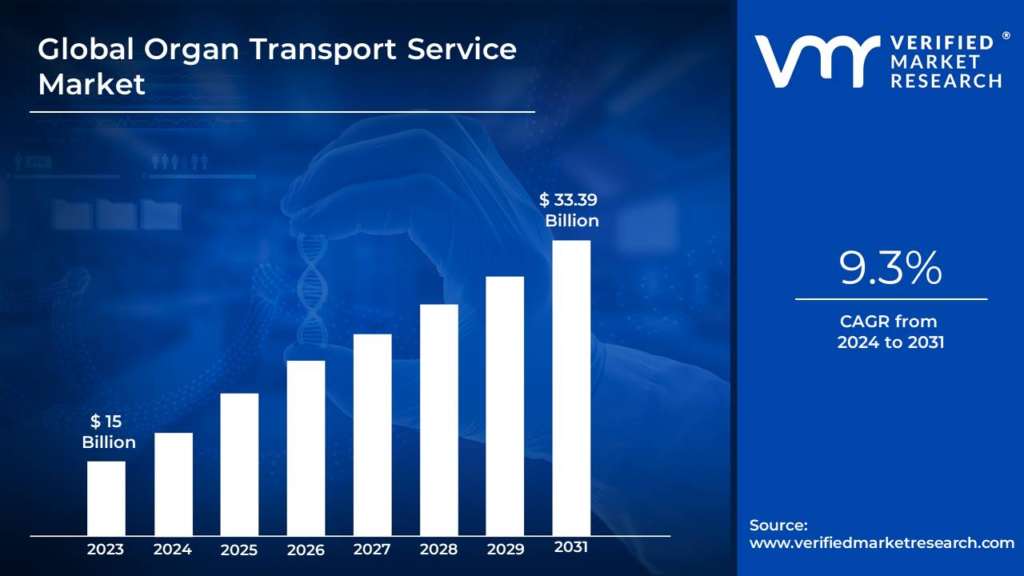
One of the potentially more valuable applications for the Zuri Cargo VTOL may be medical logistics, particularly the transportation of human organs for transplantation. Unlike conventional parcel delivery, organ transportation is a highly time-sensitive service in which speed, reliability and aircraft availability can carry considerably more economic value than the payload itself.
There is already a substantial commercial market supporting this type of operation. Blade Air Mobility’s medical logistics business, originally built around its acquisition of Trinity Air Medical, became a significant part of the company’s business. In 2023, Blade’s MediMobility Organ Transport operation generated approximately $126.6 million in revenue, compared with $70.7 million from its Short Distance passenger business and $27.9 million from Jet and Other passenger operations. Blade’s passenger business was sold to Joby Aviation, while the medical operation became Strata Critical Medical.
“This divestiture allows us to focus entirely on Medical, our fastest growing and most profitable business line, which represented approximately 84% and 59% of 2024 Segment Adjusted EBITDA and Revenue, respectively.” … “Following the close, Strata will be a pure-play, contractual medical business operating in rapidly growing markets that are not correlated with the overall macro environment. It’s an honor to help lead Strata as we expand our service offerings across medical and time critical logistics marketplaces.” – Will Heyburn (CFO of Blade Air Mobility and recently co-CEO of Strata Critical Medical)
That history is particularly relevant to the unmanned Zuri Cargo VTOL because it demonstrates that time-critical medical aviation can support a substantial commercial business independently of passenger air mobility.
Organ transportation is also fundamentally different from conventional cargo. Transplant centers and organ procurement organizations may have only a limited window in which an organ can be transported and transplanted. A transportation provider therefore isn’t simply selling cargo capacity; it is selling reliable access to aviation capacity when an organ becomes available.
This could create an interesting economic proposition for an unmanned aircraft.
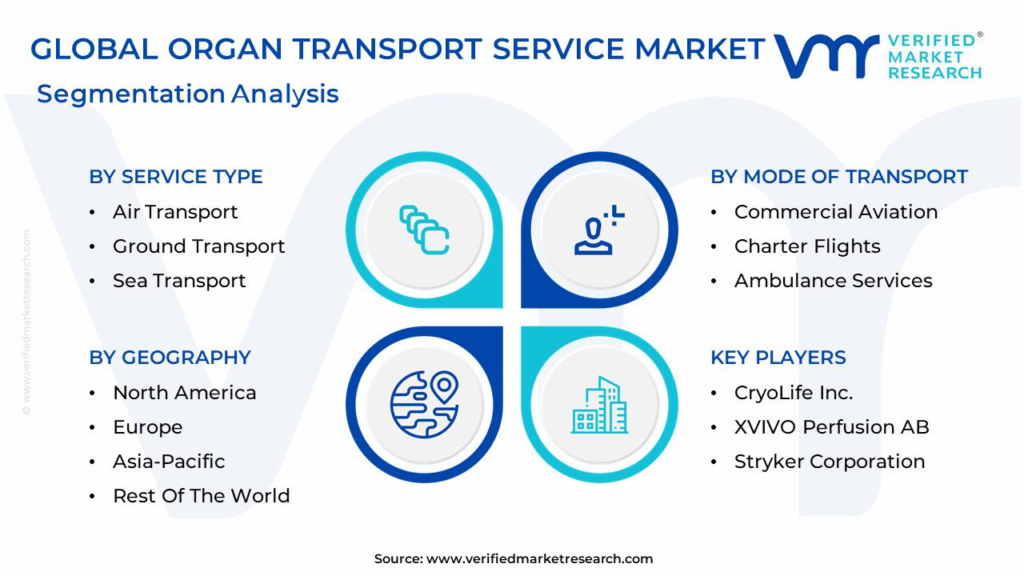
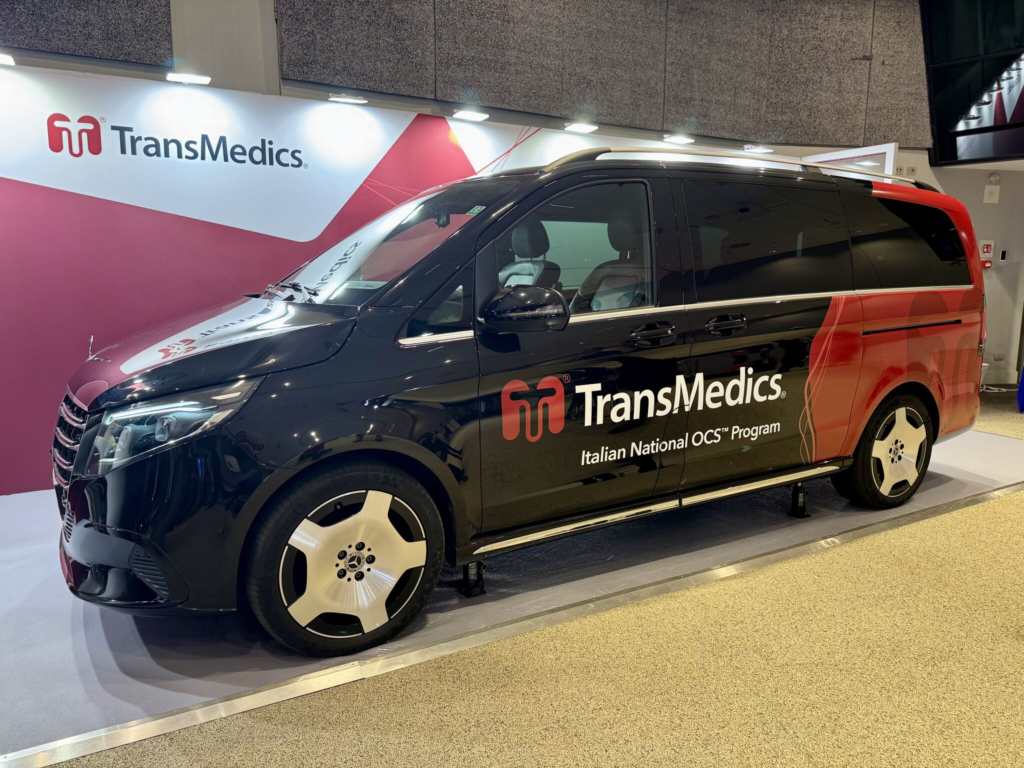
KEY COMPANIES IN THE ORGAN TRANSPORTATION ECOSYSTEM
INTEGRATED TRANSPLANT LOGISTICS
TransMedics
Paragonix Technologies / Getinge
ORGAN PRESERVATION & TRANSPORT TECHNOLOGY
Organ Recovery Systems
XVIVO Perfusion
OrganOx
Preservation Solutions
MEDICAL AVIATION & TRANSPORTATION
AirMed International
REVA
Trinity Air Medical (owned by Strata Critical Medical)
Angel MedFlight
ORGAN PROCUREMENT
U.S. Organ Procurement Organizations (OPOs)
BROADER TRANSPLANT ECOSYSTEM
CareDx
Artivion
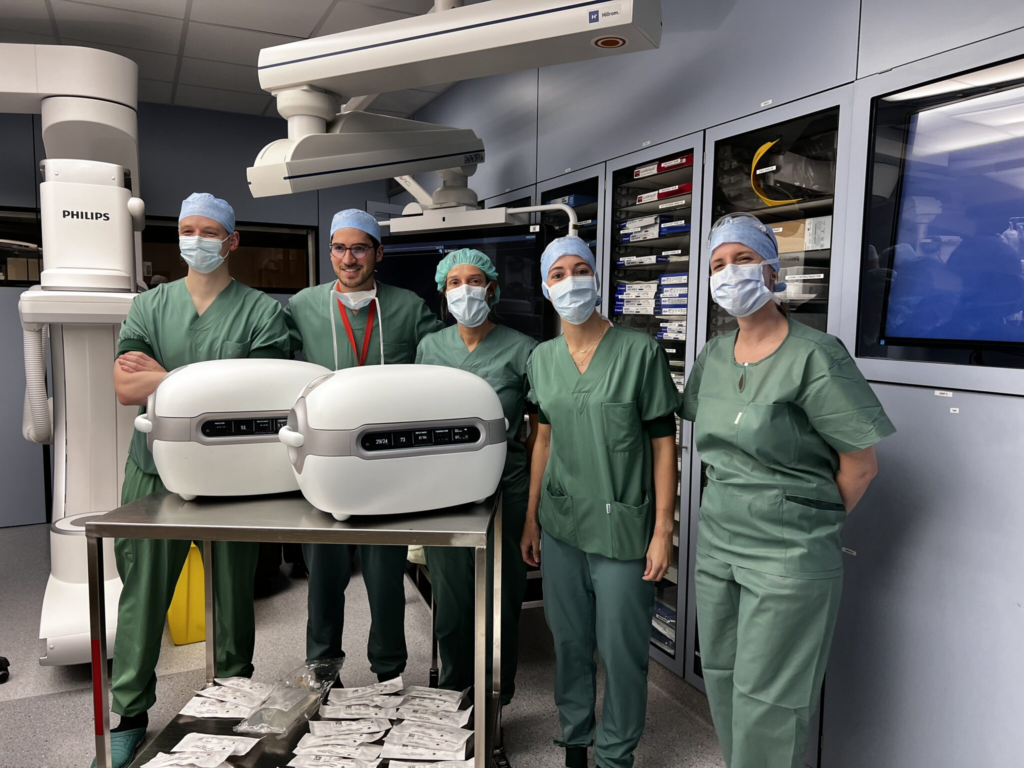
For organs such as hearts, lungs, and livers, procurement surgical teams from the recipient’s transplant center often travel to the donor hospital to evaluate and surgically recover the organs. Depending on the distance, this can involve ground transportation, helicopters, or fixed-wing aircraft, adding another time-sensitive logistical requirement to the transplantation process. As unmanned aviation and other technologies become more capable, however, there may be opportunities to reduce the need for transplant teams to travel long distances by expanding the availability of trained organ-recovery personnel at donor hospitals, potentially supplemented in the future by robotics and remote surgical expertise. In such a model, drones could focus on rapidly transporting the recovered organs while advancements in surgical tech, training, and procedures could help in reducing the amount of personnel and equipment that must be moved between hospitals.
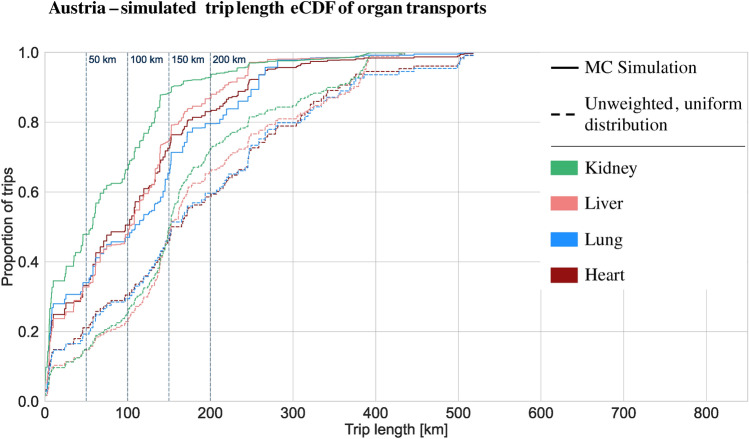
Robson G. Gilmour from the University of Edinburgh and Mekhola Hoff from the Edinburgh Transplant Centre at the Royal Infirmary of Edinburgh, wrote an abstract titled Drone-Assisted Organ Transport: A Scoping Review of Clinical, Regulatory, and System Readiness published in Clinical Transplantation, the Journal of Clinical and Translational Research, in which they explore how uncrewed aerial vehicles can be used for organ transplant transportation. The authors noted previous research from Karpstein et al from the Technical University Munich, Institute of Flight System Dynamics and Clinical Department of General, Visceral, and Transplant Surgery, Medical University Graz which found a 1 hour time savings over ground transit of transplant organs, as well as a 60-90 minute time reduction compared to ground transportation when using larger SC-VTOL aircraft in their simulations based on data.
Uncrewed aerial vehicles (UAVs) directly address this vulnerability by bypassing congestion, flight scheduling, and crew‐availability constraints to provide rapid, predictable, point‐to‐point transfer. Recent modeling studies quantify these potential gains. In an Austrian–German network analysis, Karpstein et al. [18] found that small UAVs could perform ≈37% of organ transports, saving 15–17 min on average compared with ground routes, while medium UAVs achieved savings exceeding 1 h in most scenarios. Larger SC‐VTOL aircraft demonstrated even greater potential, reducing total travel time by 60–90 min on longer routes. These data suggest UAV‐enabled mobility could meaningfully compress transfer times, particularly in cardiac and pulmonary transplantation, where every minute of CIT is critical.
Gilmour RG, Hoff M. Drone-Assisted Organ Transport: A Scoping Review of Clinical, Regulatory, and System Readiness. Clin Transplant. 2025 Dec;39(12):e70398. doi: 10.1111/ctr.70398. PMID: 41383068; PMCID: PMC12699177.
A helicopter performing a medical logistics mission carries the cost of the aircraft, crew, fuel, maintenance and associated operational infrastructure. A Zuri Cargo VTOL, once appropriately certified and authorized for remotely piloted commercial operations, could potentially perform selected point-to-point medical logistics missions without putting a flight crew aboard the aircraft.
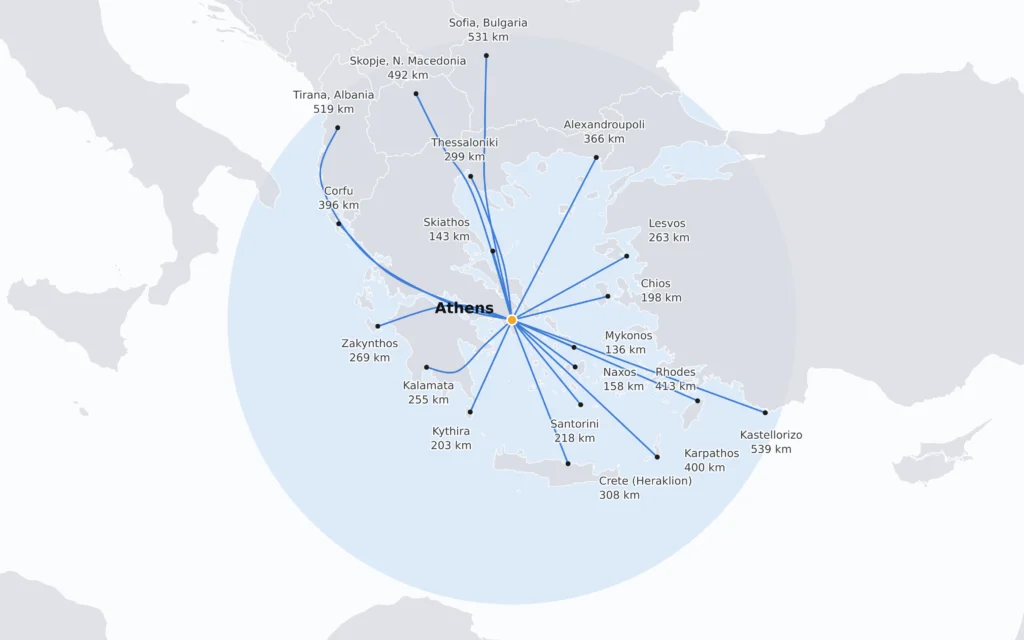
“Helicopters, depending on the model, typically fly between 120 and 140 knots or roughly 140-160 mph. A safe cruising speed is around 100 mph. REVA’s Learjet 35s fly about 440 knots or 506 mph. If, for example, you needed to transport an organ from one hospital in Tucson to Mayo Clinic in Phoenix for transplant, about 116 miles, a helicopter medevac with the ability to land at the hospital could be the most time and cost effective, even though relative to distance flown, a helicopter would cost more.” – REVA’s Senior Vice-President for Sales and Marketing
– during a August 23, 2024 interview with Professor David A. Farcy, Medical Director of REVA for an article titled: The Gift of Life — Air Transport of Organs for Transplant
“We work closely with our organ procurement department and the mode of transport is decided together. We have a loose range: up to 50 miles we normally elect a ground vehicle, up to 200 miles rotor wings are normally used, over that distance we normally go for a fixed wing,” – Denise Landis, manager of critical care transport at Survival Flight
– during a August 23, 2024 interview with Professor David A. Farcy, Medical Director of REVA for an article titled: The Gift of Life — Air Transport of Organs for Transplant
The objective would not necessarily be to charge dramatically less than a helicopter. Instead, the opportunity could be to maintain the value of a time-critical aviation service while reducing the cost of providing it.
That distinction could be particularly important for organ transportation. A transplant organization may be willing to pay a premium for rapid, dependable transportation, while the aircraft operator could potentially achieve attractive margins if the cost of each mission is substantially below that of a comparable crewed helicopter operation.
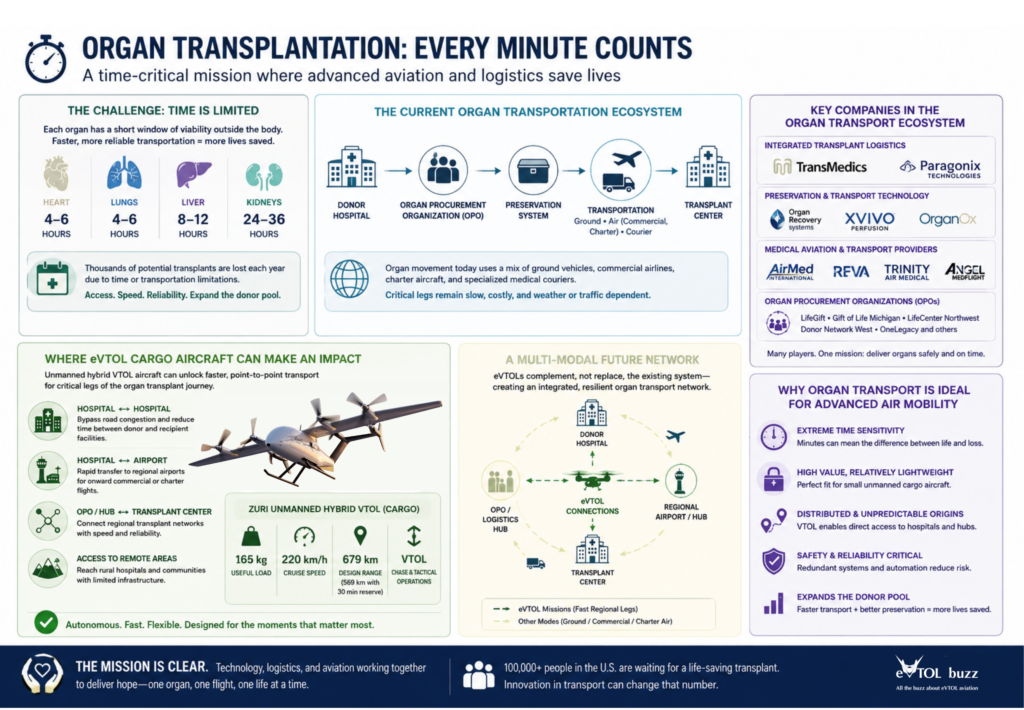
The adoption of drones for organ transportation could potentially increase the number of organs reaching patients in time for transplantation. In the United States, approximately 20% of donated kidneys have historically been discarded, and researchers have estimated that as many as 2,700 additional kidneys could have been available for transplantation in 2016 if cold ischemia time (CIT) had been minimized. While not all of these discarded organs could necessarily be recovered through drone transportation alone, faster and more reliable delivery could help reduce CIT and improve the viability of organs during transport.
This suggests that the value of drone organ transportation may extend beyond simply replacing conventional ground or air couriers. By shortening transportation times and providing more predictable delivery, drones could help shift borderline organ offers toward transplantation, potentially allowing more patients to receive organs from the existing donor pool without requiring an increase in the number of donors.
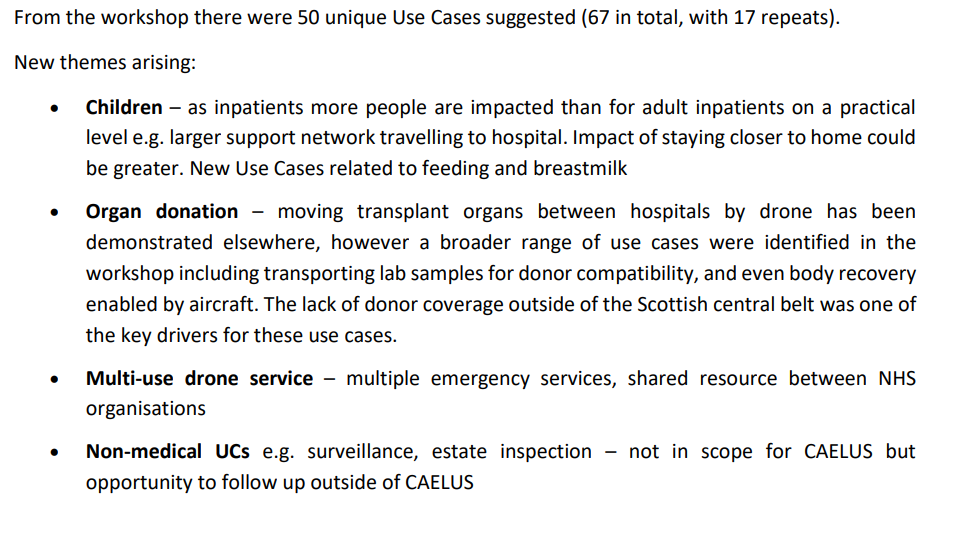
How many organs could be added to the system if drone organ transportation were adopted remains unclear. The mean rate of discarded kidneys in the United States is approximately 20%. Indeed, many of these kidneys may have been usable were CIT expedited. Based on a value of 20% and a transplant volume of 13,501 deceased donor kidneys in 2016, as many as 2,700 kidneys may have been available for transplantation were CIT minimized [10]. Accordingly, a recent study showed that for 5,000 randomly selected, declined kidney offers, patients were more likely to be alive, had offers been accepted versus declined [15]. These data suggest that if tools such as the HOMAL and perhaps drone transportation were capable of shifting the balance of information in favor of transplantation, more patients could be transplanted with currently available resources [15].
J. R. Scalea, S. Restaino, M. Scassero, G. Blankenship, S. T. Bartlett and N. Wereley, “An Initial Investigation of Unmanned Aircraft Systems (UAS) and Real-Time Organ Status Measurement for Transporting Human Organs,” in IEEE Journal of Translational Engineering in Health and Medicine, vol. 6, pp. 1-7, 2018, Art no. 4000107, doi: 10.1109/JTEHM.2018.2875704.
The potential market extends beyond transplantation. The same aircraft could potentially transport blood products, pharmaceuticals, diagnostic specimens, medical equipment and other time-sensitive cargo. Zuri itself identifies medical response and logistics among the potential applications for its hybrid VTOL platform.
The humanitarian opportunity could be equally significant. In regions where roads are unreliable, hospitals are widely dispersed or conventional aviation is prohibitively expensive, an unmanned cargo VTOL could provide a middle-mile and last-mile medical logistics capability without requiring a runway. Zuri specifically identifies delivery of medical supplies and support to remote communities and disaster areas as potential applications.
For Zuri, that could mean that the Cargo VTOL is not simply a smaller alternative to a conventional cargo aircraft. Its economic opportunity may instead lie in missions where the combination of vertical access, regional range, time sensitivity and lower operating requirements creates value that conventional logistics cannot easily provide.
And organ transportation is perhaps the clearest example of that proposition.
Project CAELUS: A Real-World Testbed for Medical Drone Logistics
Scotland is already providing a glimpse of what an unmanned medical logistics network could look like. Project CAELUS (Care & Equity – Healthcare Logistics UAS Scotland), led by AGS Airports in partnership with NHS Scotland and a consortium of industry and academic partners, has been developing the infrastructure and operational framework needed to transport medical supplies, blood, medicines, and potentially organs by unmanned aircraft. Flight trials have demonstrated how routes that can take hours by road could potentially be reduced to roughly 30–35 minutes by air, including connections to remote communities such as the Isle of Arran.

Project CAELUS consortium
- The UK’s first medical drone delivery network
- Consisting of 16 partners: AGS Airports Limited (Aberdeen, Glasgow & Southampton Airports), NHS Scotland, NATS, University of Strathclyde, Connected Places Catapult, ANRA Technology, AtkinsRéalis, Arup, Cellnex Telecom, Commonplace Digital, DGP Intelsius, Dronamics, Planefinder, Skyports Deliveries Ltd, The Drone Office, Trax International.
3 Phases of Project CAELUS:
- Phase One: Connect hospitals, pathology laboratories, distribution centres and GP surgeries across Scotland via a drone network
- Phase Two: Increase the speed and payload capabilities of drones, in order to broaden the use and meet the requirements for time-sensitive medical supply air transport.
- Phase Three: Conducted live test flights in across locations in Scotland, demonstrated the feasibility of drones in critical life-saving medical supply transport across UK airspace.
Project CAELUS – NHS Lothian to NHS Borders Live flight trial (video below)
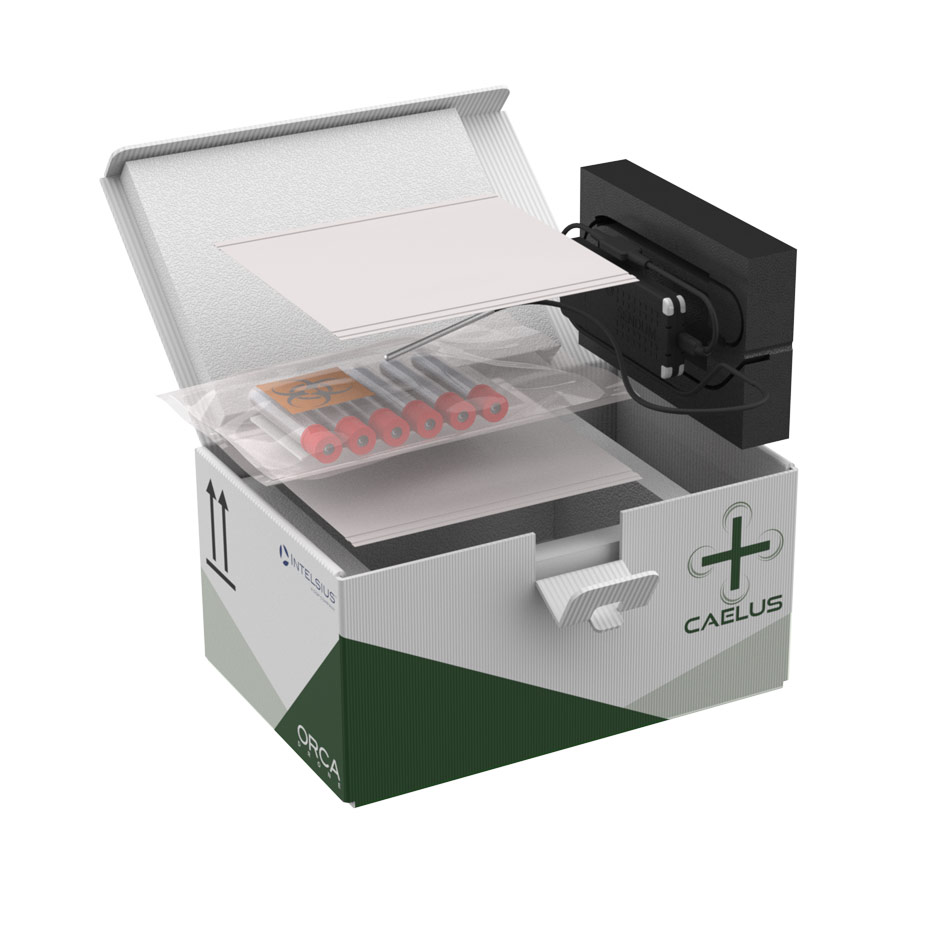
ORCA Drone packing system (made by DGP Intelsius)
- Multi-use temperature-controlled packaging system, reduces waste
- Wide range of phase change material solutions providing temperature control at -78°C, -25°C to -15°C, +2°C to +8°C, +15°C to +25°C and +20°C to +24°C.
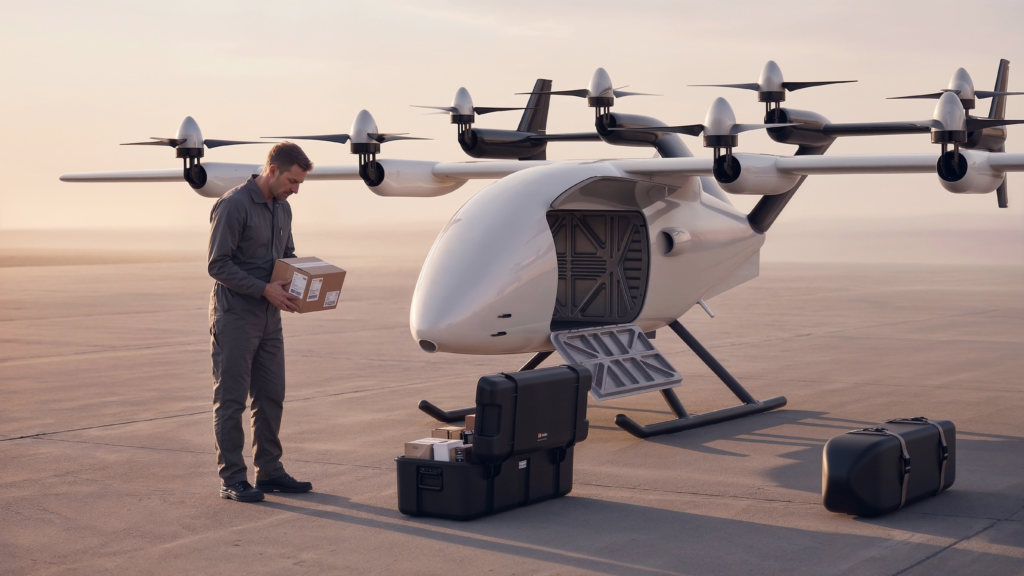
Natural Disaster/ SAR
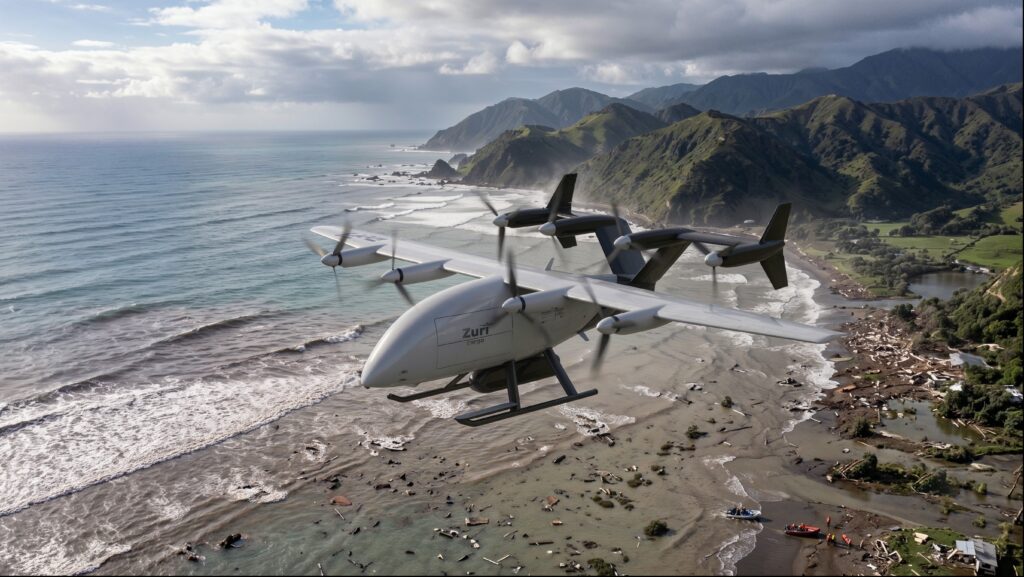
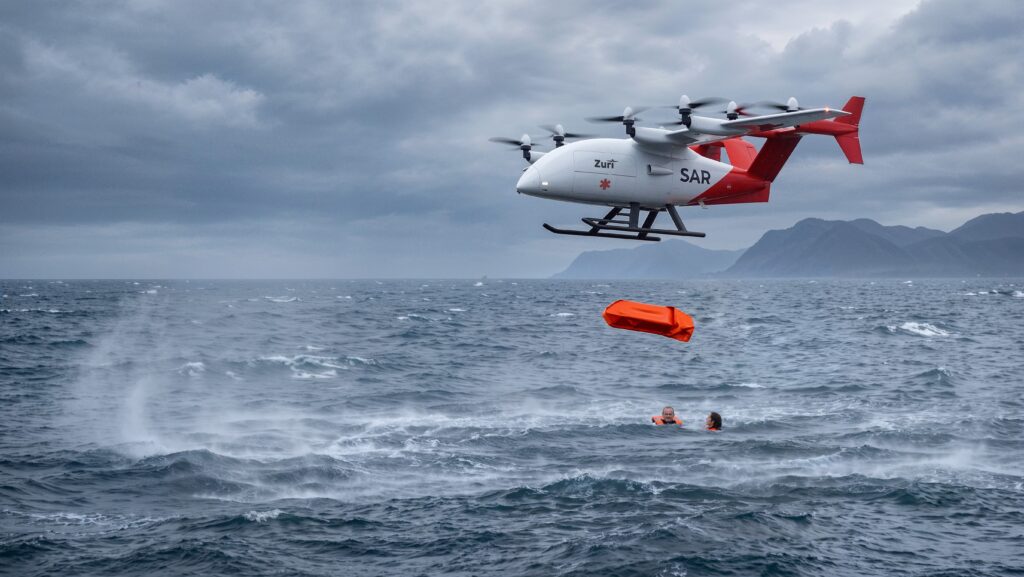
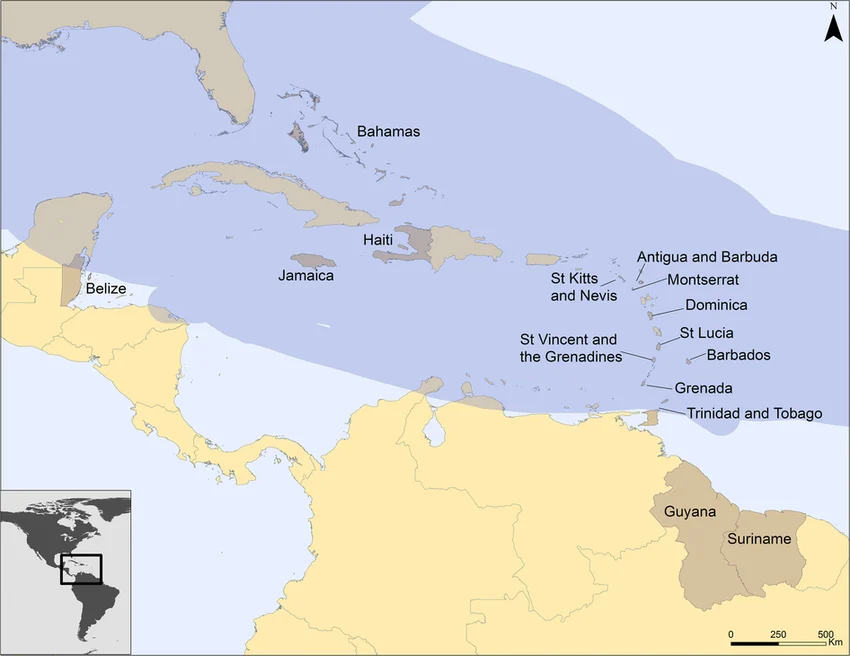
The Gulf Coast (Gulf of Mexico/America) provides perhaps one of the clearest demonstrations of the need for resilient aerial logistics and search-and-rescue capacity. When Hurricane Harvey struck Texas in August 2017, the storm produced catastrophic flooding across the Houston region and southeastern Texas. Harvey ultimately generated an estimated $125 billion in damage, displaced more than 30,000 people and prompted more than 17,000 rescues. NOAA has subsequently estimated the CPI-adjusted cost at approximately $158.8 billion.
The scale of the response placed enormous demands on aviation. The U.S. Coast Guard alone deployed more than 2,000 personnel, 75 small boats, 29 cutters and 50 fixed-wing and rotary-wing aircraft during the Harvey response. Coast Guard helicopters conducted rescues in conditions that pushed the limits of crewed aviation, while other aircraft were used for communications, damage assessment, imagery, cargo and personnel transportation.
Harvey also demonstrated one of the fundamental problems with disaster response: the infrastructure needed to reach people can disappear precisely when it is needed most. Floodwaters inundated major highways including I-10, I-45 and US-59, while more than 300,000 structures and as many as 500,000 vehicles were reported flooded. FEMA reported approximately 30,000 water rescues during the storm.
This is where an aircraft such as the Zuri Cargo VTOL could potentially provide an additional capability.
An unmanned aircraft does not need roads to reach an isolated community. Depending on its eventual configuration, payload and regulatory approvals, a VTOL cargo aircraft could potentially operate from relatively small or improvised areas while transporting emergency supplies, communications equipment, medical equipment, food, water and other critical cargo.
Its value would not necessarily be limited to carrying supplies.
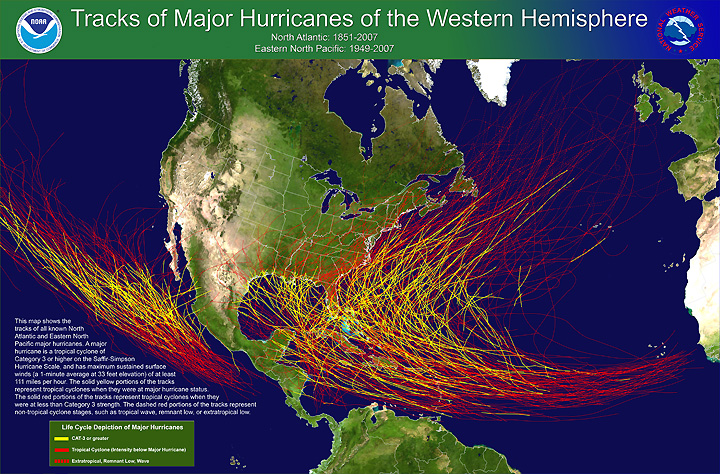
Aerial eyes when the ground becomes inaccessible
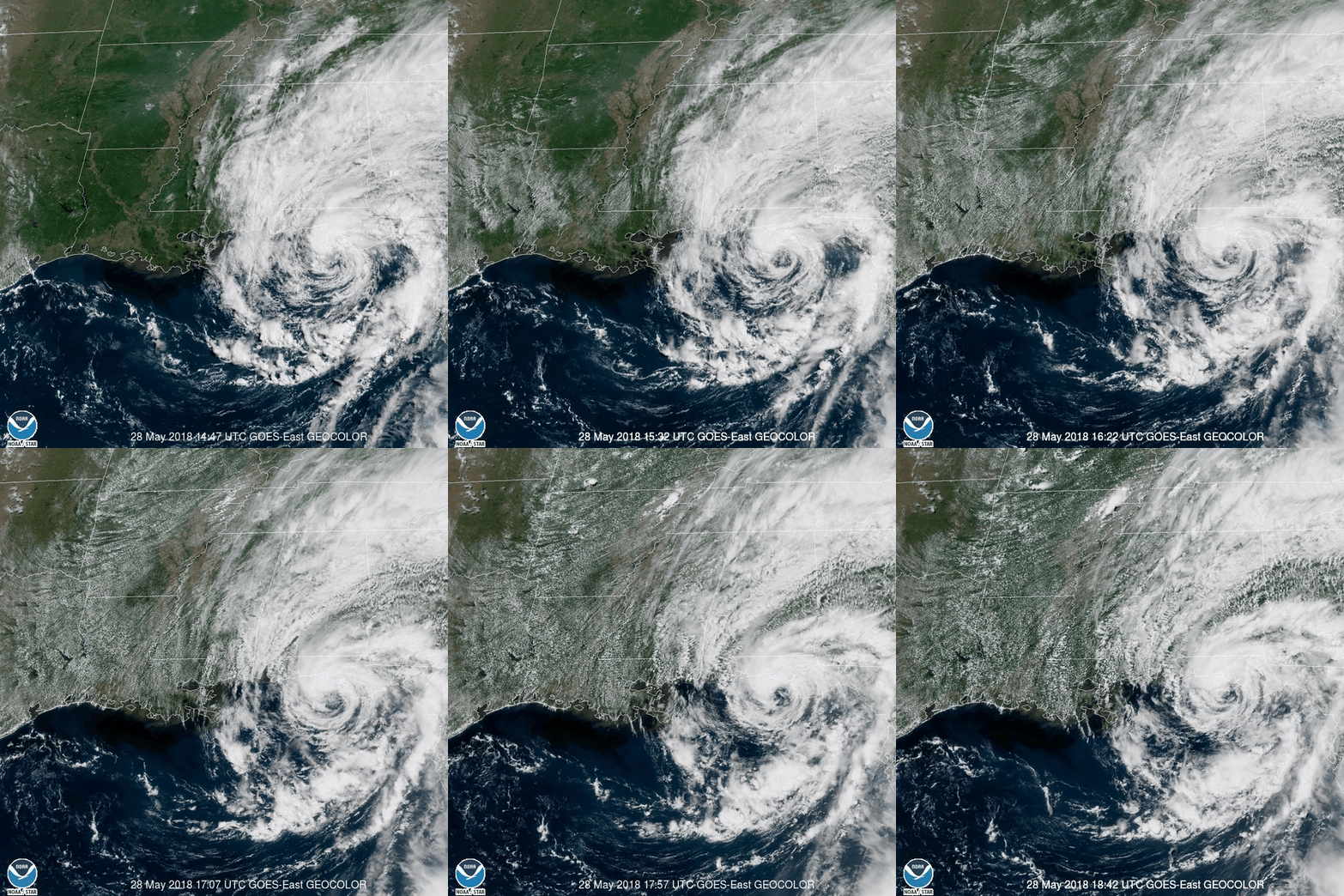
One of the first requirements after a major hurricane is understanding where the damage is and where help is needed most. During Harvey, NOAA satellite imagery was used to produce flood maps that helped FEMA and first responders determine where to focus their efforts. Coast Guard aircraft likewise provided aerial imagery and situational awareness while simultaneously supporting cargo and personnel transportation.
An unmanned hybrid VTOL could potentially add a much more persistent, localized layer of information.
Equipped with appropriate electro-optical, infrared, radar or other sensors, aircraft could potentially search flooded neighborhoods, inspect bridges and roads, identify isolated people, assess damaged infrastructure and relay imagery to emergency operations centers without placing a crewed aircraft and its occupants into every mission.
That distinction becomes particularly important when the weather itself is hazardous.
During Harvey, Coast Guard crews were operating in extremely challenging conditions. One Coast Guard helicopter crew flew through winds exceeding 80 knots while attempting to reach survivors, while other crews encountered inadvertent instrument meteorological conditions during rescue attempts.
An unmanned aircraft cannot eliminate the weather problem, and it should not be assumed that Zuri could operate safely in hurricane-force conditions. But removing the crew from selected missions could change the risk calculation for operations conducted around the storm and in its immediate aftermath.
That could allow emergency managers to deploy aircraft for missions where sending a crewed helicopter would be undesirable, provided the aircraft’s weather capability and regulatory authorization allowed it.
The economic value of preventing losses
The potential economic benefit is also considerably larger than the value of the cargo being carried.
Harvey’s approximately $125 billion in estimated damage illustrates the scale of the problem.
An aircraft doesn’t need to prevent a large percentage of that damage to generate significant economic value.
If unmanned aviation can help emergency managers:
- identify stranded residents sooner;
- deliver emergency supplies before roads reopen;
- restore communications more rapidly;
- inspect damaged infrastructure;
- locate blocked roads and bridges;
- transport medical supplies;
- support evacuations;
- identify developing hazards;
- or reduce the time required to restore critical infrastructure,
then the aircraft could potentially contribute to reducing the secondary economic losses that occur after the initial storm damage.
That could include businesses remaining closed because employees or supplies cannot reach them, hospitals operating under constrained conditions, energy infrastructure waiting for inspection, offshore facilities requiring assessment, and communities waiting for roads and communications to be restored.
In other words, the economic value of disaster-response aviation may come less from the number of dollars of cargo it carries than from the amount of time it can save.
Gulf Coast applications go beyond hurricanes
For Zuri, the Gulf of Mexico is an especially interesting environment because the same aircraft could potentially have utility before, during and after a disaster.
The region combines major population centers, offshore oil and gas infrastructure, ports, petrochemical facilities, offshore wind development, coastal communities and extensive transportation networks. A fleet of unmanned VTOL aircraft could potentially have commercial missions during normal operations and then be redirected toward emergency response when a major storm occurs.
That creates a dual-use economic model.
An aircraft sitting idle waiting for the next hurricane has limited commercial value. An aircraft already generating revenue transporting cargo to offshore facilities, supporting medical logistics or serving industrial customers can potentially become an emergency-response asset when disaster strikes.
For government agencies and humanitarian organizations, that could mean having access to additional aerial capacity without having to maintain every aircraft exclusively for disaster response.
The ultimate proposition is therefore larger than search and rescue alone. A capable unmanned VTOL could become part of a distributed emergency logistics network, providing eyes in the sky, moving critical supplies, supporting communications and helping emergency managers reach people and infrastructure that conventional ground transportation cannot.
And in a region where a single hurricane can produce tens or hundreds of billions of dollars in losses, even relatively small improvements in the speed of response could have an outsized economic value.
Military Logistics and the Future of Contested Resupply
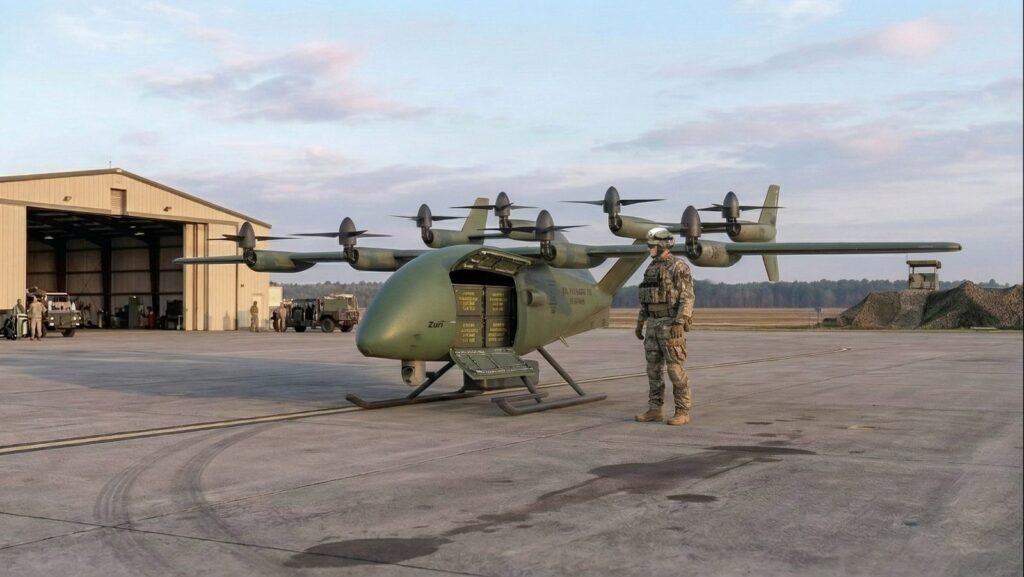
The same characteristics that make an unmanned cargo aircraft attractive for offshore energy and disaster response could also make it relevant to military logistics. Modern militaries face a persistent problem: supplying forces over long distances while roads, bridges, ports and conventional aviation routes may be disrupted or under observation.
For a military operator, the value of an unmanned cargo aircraft is therefore not simply its ability to carry a load. It is the ability to move supplies without putting a pilot or transport crew aboard the aircraft.
The Zuri Cargo VTOL could potentially provide another layer of logistics between conventional ground transportation and larger crewed aircraft. Its vertical takeoff and landing capability could allow it to operate from locations where a conventional fixed-wing transport aircraft could not, while its cargo configuration could make it useful for moving supplies between rear-area logistics facilities and forward operating locations.
The most obvious application would be resupply. Food, drinking water, medical supplies, batteries, communications equipment, spare parts and other necessities have to reach military personnel regardless of whether the normal transportation network remains available. Depending on its eventual payload and range, an aircraft such as Zuri could potentially move these supplies directly to isolated or forward units, reducing the number of personnel required to conduct routine resupply missions.
Ammunition is another possible application. The same principle applies: an unmanned aircraft could potentially deliver relatively small but urgently needed quantities of supplies without exposing a crewed transport aircraft to the same risks.
That does not mean a cargo VTOL would replace military transport helicopters or conventional logistics aircraft. Heavy equipment, large quantities of fuel and personnel will continue to require much larger platforms. Instead, an aircraft such as Zuri could fill the space between those systems, handling smaller, urgent shipments where speed and access matter more than payload volume.
Reducing the Risk of Resupply
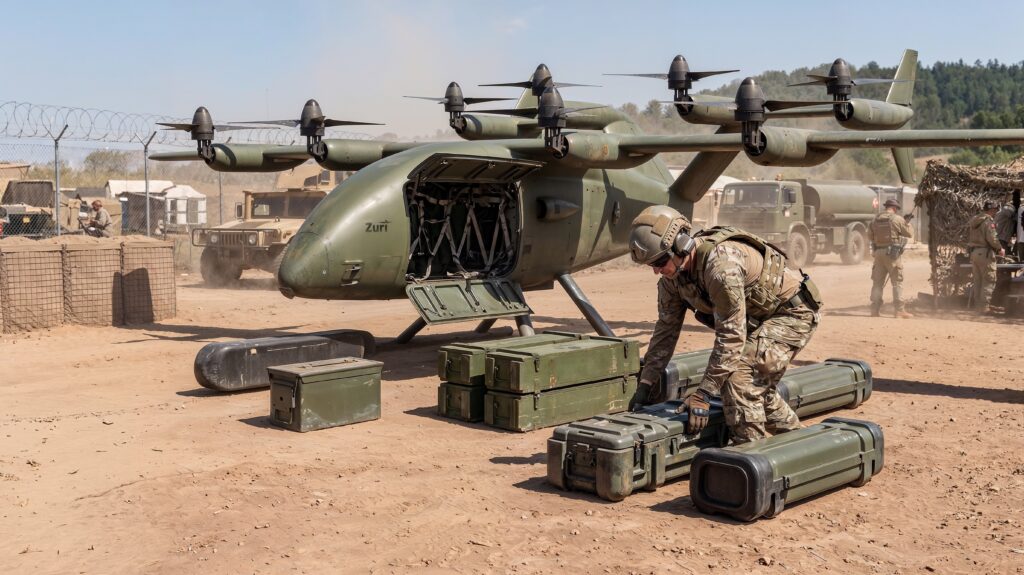
The potential military value becomes more apparent in environments where conventional transportation is vulnerable.
A truck carrying supplies to a forward position exposes drivers and other personnel to whatever hazards exist along the route. A crewed helicopter removes the road requirement but introduces the risk associated with putting an aircrew into a potentially hostile environment.
An unmanned aircraft changes that equation.
If a Zuri Cargo VTOL could eventually be authorized to operate in the required environment, a logistics commander could potentially send supplies without putting a pilot at risk. The aircraft itself could be lost, but the human cost of losing the transportation asset would be fundamentally different.
This could be particularly relevant for NATO countries operating across large geographic areas or supporting forces away from established logistics infrastructure.
Surveillance and Situational Awareness
Cargo would not necessarily be the only military application.
The same aircraft could potentially carry cameras, infrared sensors, communications equipment or other payloads, giving it a secondary role in surveillance and reconnaissance. An unmanned VTOL could provide aerial imagery of roads, bridges, logistics routes, temporary operating locations or other infrastructure without requiring a dedicated crewed aircraft for every mission.
Its cargo capability could also make the platform adaptable. An aircraft could be configured for logistics on one mission and equipped with sensors or communications equipment on another.
That flexibility is important because military planners increasingly look at unmanned systems as networks of interchangeable capabilities rather than single-purpose aircraft.
Communications and Battlefield Support
Another possible application is communications.
A cargo aircraft could carry communications equipment to locations where terrestrial networks have been damaged or are unavailable. In an emergency, an aircraft could potentially serve as a temporary communications relay or transport replacement equipment to restore connectivity.
This could also have applications outside combat operations. Following a natural disaster, military forces are frequently called upon to provide humanitarian assistance when civilian communications and transportation infrastructure has been damaged. An aircraft designed for military logistics could therefore have a secondary role in disaster response, much like the dual-use applications discussed elsewhere in this article.
The NATO Perspective
For NATO, the broader issue is logistics resilience.
A military force can have highly capable combat aircraft and armored vehicles, but those systems still depend on fuel, ammunition, food, water, spare parts and medical support. The ability to move those supplies quickly and reliably is fundamental to maintaining operational effectiveness.
Unmanned cargo aircraft could provide another layer of that logistics architecture.
Rather than relying exclusively on a small number of large transport aircraft, helicopters, ships and trucks, militaries could eventually operate networks of smaller unmanned aircraft distributed throughout the logistics chain. Losing or temporarily grounding one aircraft would not necessarily stop the entire network.
That creates a potentially important advantage: redundancy.
For the Zuri Cargo VTOL, this could be one of the most interesting aspects of its dual-use proposition. The aircraft does not have to be designed exclusively as a military platform to have military value. A commercially developed cargo aircraft capable of carrying meaningful payloads could potentially be adapted for defense logistics, humanitarian missions and emergency response.
The same aircraft moving maintenance equipment to an offshore wind farm could, in another configuration, transport medical supplies to an isolated military unit. An aircraft carrying emergency supplies after a hurricane could potentially perform similar logistics missions following a natural disaster or during a military humanitarian operation.
The military market would ultimately depend on factors such as payload, range, reliability, communications resilience, cybersecurity, weather capability and the aircraft’s ability to operate within military airspace. Certification for transporting ammunition and other hazardous materials would present additional requirements.
But the underlying proposition is straightforward: if an aircraft can reliably move useful amounts of cargo without putting an aircrew aboard, it creates another option for military logistics in places where conventional transportation may be slow, expensive or dangerous.
And that may ultimately be more significant than any single military mission. The future battlefield is likely to require increasingly distributed logistics, with unmanned systems moving supplies, information and equipment alongside conventional aircraft, vehicles and ships. Zuri Cargo VTOL could potentially occupy a niche within that larger network, providing the military with another way to move what its personnel need, without necessarily putting more personnel at risk.
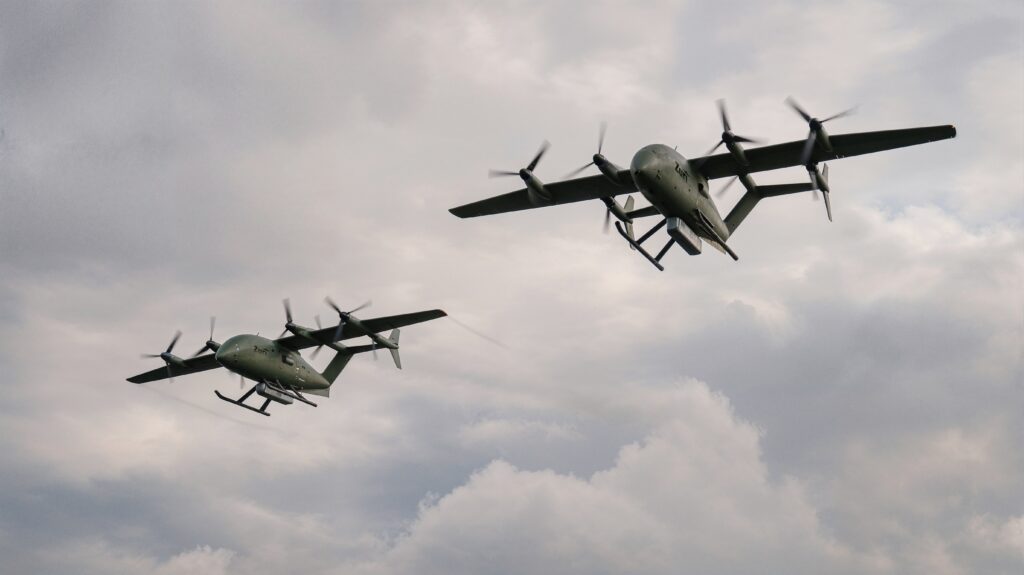
A different path to market
Zuri is raising a €6 million first tranche of its Series A, with €1.1 million already committed by existing investors. The company says the funding will support TD 2.0 and its complete flight-test campaign while advancing the cargo aircraft toward its first airframe. Zuri expects commercial deliveries to follow in later tranches during the 2027-2029 period.
The regulatory pathway also differs from that of a passenger aircraft.
Zuri says approval for the cargo aircraft will proceed through the EASA Specific category, with each operation risk-assessed under SORA. The company says there is no passenger-type certificate between the aircraft and revenue operations.
That does not mean the aircraft avoids regulation. Rather, it reflects the different risk and operational framework associated with an uncrewed cargo aircraft.
For Zuri, that creates an opportunity to put years of hybrid-VTOL development to work in a market that does not require carrying passengers while the broader technology continues toward more demanding crewed applications.
The Sweet Spot is Still in Development, but the Full Flight Envelope has already been Proven at Subscale
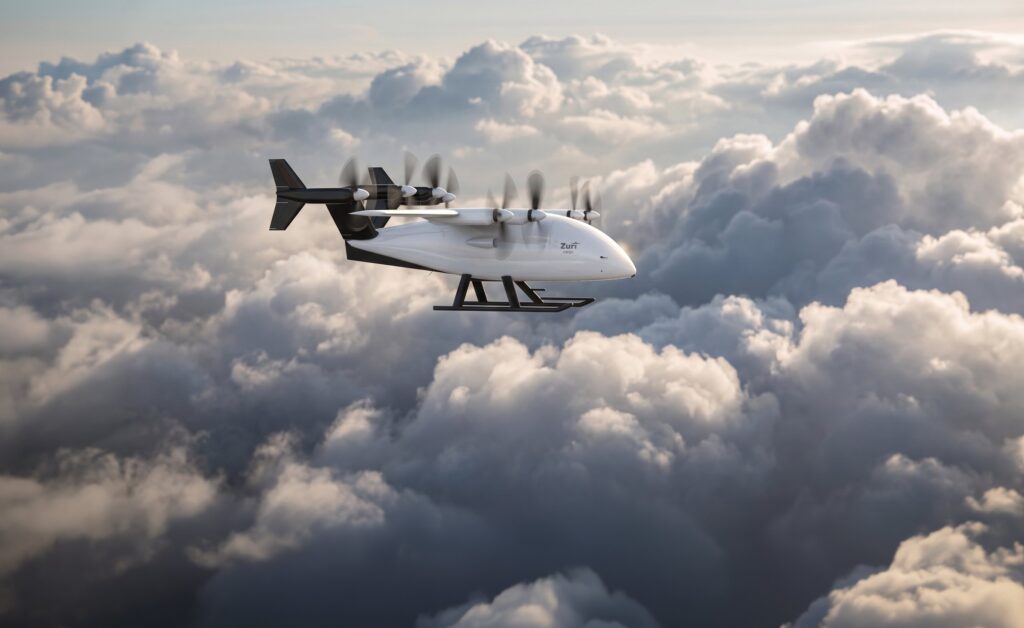
The specifications are compelling, and while this particular aircraft has yet to prove them in flight, previous variants have been tested in different modes of flight, with the subscale having proven capable of the full flight envelope.
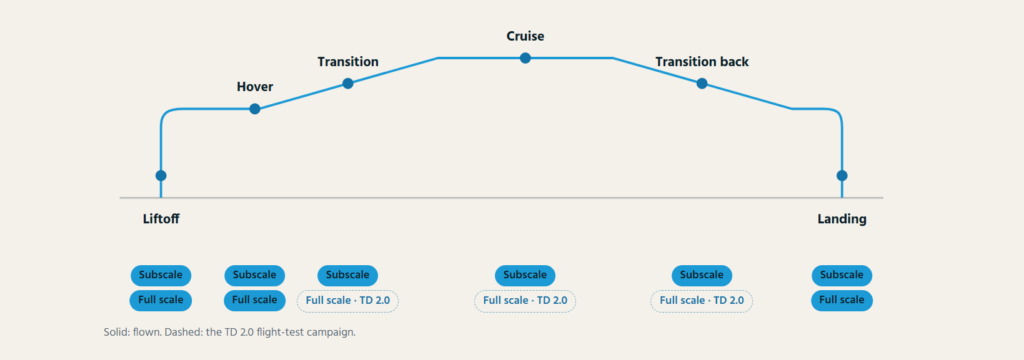
TD 2.0 remains in ground testing, and Zuri’s planned early-2027 flight campaign will be an important milestone. The company will ultimately need to demonstrate not only that the aircraft can fly, but that it can deliver its promised combination of payload, range, speed, reliability and operating economics in real-world missions. Looking at Zuri’s track record, there is much to be optimistic about.
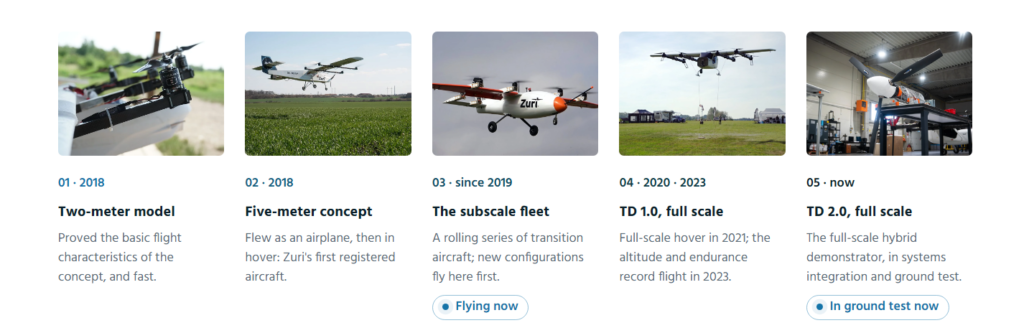
That is why calling Zuri’s configuration a “sweet spot” should be understood as an assessment of its potential market position rather than a proven commercial outcome.
But the proposition is clear.
Zuri is targeting a point between the small unmanned aircraft already transforming last-mile delivery and the much larger uncrewed cargo aircraft being developed for heavy logistics. Its goal is to combine the flexibility of VTOL with the speed and range of a fixed-wing aircraft, while using hybrid-electric propulsion to avoid the energy-density limitations of an all-electric system.
If Zuri can translate its nine years of development and hundreds of test flights into a production aircraft capable of delivering those specifications economically, the company’s first product could prove to be more than an offshoot of its crewed eVTOL program.
It could be the application that brings Zuri’s hybrid-VTOL technology into commercial service first.
For serious investors looking to invest capital into an advanced air mobility OEM that can save lives through medical, natural disaster, and SAR use cases, as well as contribute to energy and defense security, please check out Zuri’s link below:
Zuri’s Series A investment round is now open: click here
More Info:
Zuri (official website): click here
Zuri unveils its first product: a hybrid uncrewed cargo VTOL: click here
DataBasin’s Gulf of Mexico map featuring offshore oil platforms: click here
Determinants of the lethality of climate-related disasters in the Caribbean Community (CARICOM): A cross-country analysis: click here
On August 25, 2017, Hurricane Harvey Slammed into Texas: click here
Heroic Acts Inspire Future Leaders at USCGA: click here
Global Organ Transport Service Market Size By Type of Organ Transported, By Service Type, By Mode of Transport, By Geographic Scope And Forecast – Verified Market Research: click here
The Gift of Life — Air Transport of Organs for Transplant: click here
Transplantation reduces healthcare costs, says Swisstransplant: click here
Drone‐Assisted Organ Transport: A Scoping Review of Clinical, Regulatory, and System Readiness: click here
Evaluation of the advanced air mobility potential for organ transplantation in Austria and Germany: click here
CAELUS Strategic Case: click here
An Initial Investigation of Unmanned Aircraft Systems (UAS) and Real-Time Organ Status Measurement for Transporting Human Organs: click here
Baltica Energy (official website in English): click here
Ministry of Climate and Environment for the Republic of Poland: Baltica 2 enters the offshore construction phase – a key step for Poland’s energy security: click here
Poland: EIB contributes €400 million to building the EU’s largest offshore wind farm: click here
Securing the Baltic: The Strategic Imperative for a Comprehensive Maritime Security Strategy: click here